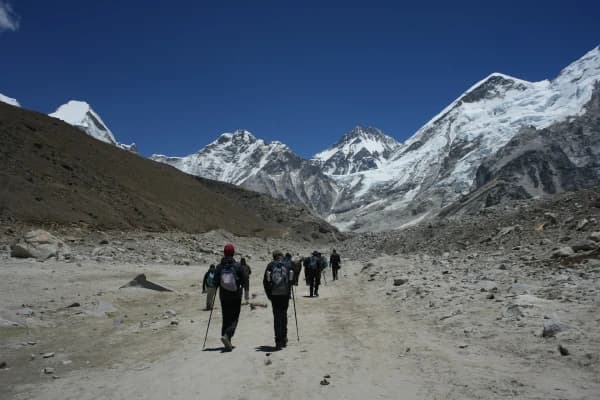
The best way to have a successful trip to Everest Base Camp and back is to have a few spare days during the trip. Usually trekkers who are heading to Everest Base Camp trek have planned two days of acclimatization during the entire trip to EBC and back, and in some cases if your body is not getting used to the high altitude, then probably you might need another day for acclimatization. Considering the few facts can really help you to make your trip to Everest Base Camp successful and back.
Prevention from Altitude Sickness
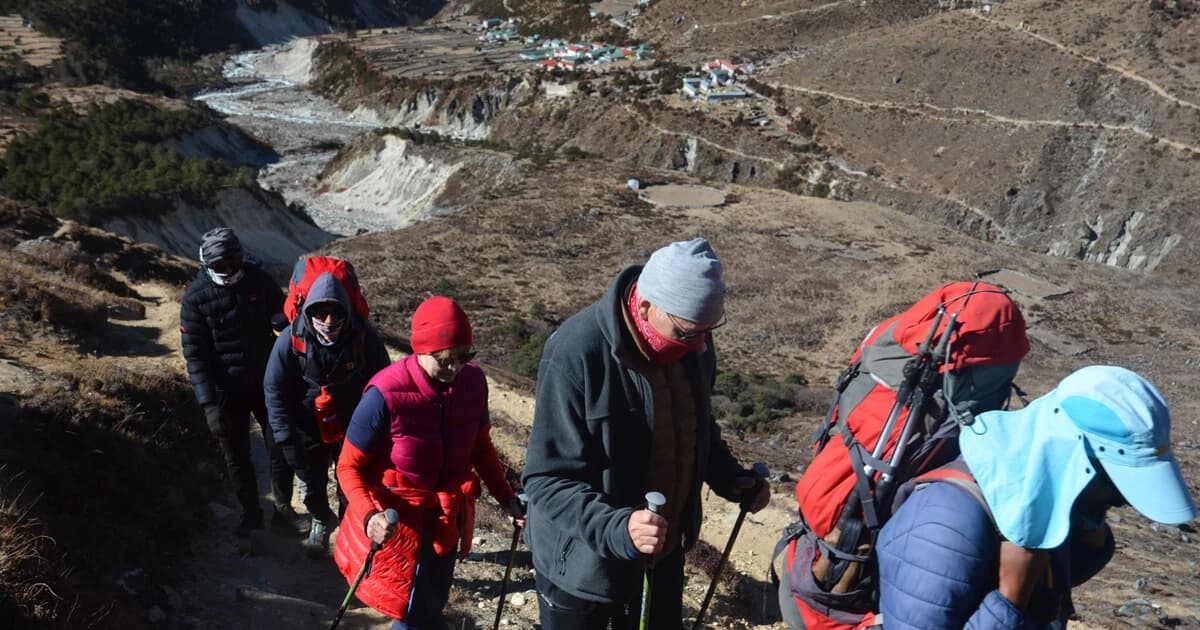
Following the above-mentioned way will really help you to reduce the high-altitude sickness and help to complete your trip in a safe way. Once you are already on the trip, ascending slowly is one of the key tools that will keep the risk of having altitude sickness away in most cases. A slow ascent will let your body be prepared for the gaining altitude, so we strongly advise you to take a slow ascent, enjoying the local villages, landscapes, and mountain views, and take a few breaks on the trail whenever you feel it is needed. Drinking enough, being properly equipped, and getting good sleep are other factors that help you for a successful trip to Everest Base Camp.
There are so many scenic hiking trails on the way to the Everest Base Camp trek, and once you finish your day, it is better to go slightly higher and back to prepare your body for good sleeping during the night. Sometimes it can be difficult to fall asleep during the night once you are over 3500 meters above sea level, so having an acclimatization day at this altitude at Namche Bazaar and over 4000 meters at Dingboche is highly suggested. You are not just resting during the acclimatization day, but you will be going higher, over 300-400 meters, than the place you are staying. Once you are already on the trek and if you are not feeling really well, then you have to stay at the same altitude until you feel better or descend if you already have the severe symptoms of high altitude mountain sickness. In such a case you have to consult with your trekking agency that organizes the trip for you to Everest Base Camp.
Day 01: Kathmandu - Lukla by Flight and Trek to Phakding (2610 m, 3-4 hrs) or Monjo (2835 m, 6-7 hrs)
Day 02: Trek to Namche Bazaar (3440 m, 3-4 hrs) - If you stay in Monjo, after some time of rest at your lodge, then take a short walk to the National Park Viewpoint and back, which will help to have good sleep during the night, but if you are too tired or exhausted, then just ascend a few meters and back to your lodge.
Day 03: Acclimatization day - Hike to Everest View Hotel (3880 m, 5-6 hrs)
Day 04: Trek to Tengboche (3865 m, 5-6 hrs) - take side trip walk to a nearby hill and back to your lodge
Day 05: Trek to Pangboche (4000 metres , 2 hrs), leave your backpack at the lodge at Pangboche and just take a day backpack and go to Ama Dablam Base Camp (4600 m, 6-7 hrs)
Day 06: Trek to Dingboche (4410 m, 3-4 hrs), lunch, and after some time of rest, then you may ascend toward Nagarjun Hill, and after gaining a few hundred meters of ascent, then back to the lodge at Dingboche and rest.
Day 07: The second acclimatization day at Dingboche. You have an option to get to top of Nagarjun Danda (5300 meters) or take a gradual walk to Chhukung Valley and back to Dingboche
After the acclimatization day at Dingboche, if you feel really good, then you can continue directly to Lobuche (4920 meters), but in case you do not feel 100 percent fine after the acclimatization day at Dingboche and do not have severe altitude sickness, then following the below way can be helpful for you!
Day 08: Trek to Thukla Danda (4600 m, 3-4 hrs); after lunch and some time for refreshment, you can take a short hike towards Thukla Pass (4800 m) and back to the Thukla Danda teahouse for the night.
Day 09: Trek to Lobuche (4920 m, 3-4 hrs). After you finish your day in Lobuche, just take a short ascent to Glacier Viewpoint, which is closer to 5000 meters.
Safety Guidance For Well Acclimatisation
Lobuche is the place where many of the trekkers have to resign themselves to their dream due to altitude sickness. If you really feel fine during the evening at Lobuche, then you can continue your trip toward Gorakshep and to Everest Base Camp, but if you are not sure whether to stay at Gorakshep (5140 meters) or not, then in such a case, early in the morning, you can start your hike to Everest Base Camp, taking enough gear for the day and back to Lobuche, and on the next day, you can again start your hike to Kalapattar and descend to Lobuche. While doing the trip in such a way, you are mostly safe from having a severe altitude sickness.
Day 10: Lobuche - Everest Base Camp - Lobuche (8-9 hrs), with a lunch stop at Gorakshep
Day 11: Lobuche - Kalapattar - Lobuche (7-8 hrs)
Day 12: Trek to Phortse or Tengboche (6-7 hrs)
Day 13: Trek to Monjo (7-8 hrs)
Day 14: Trek to Lukla (5-6 hrs)
Good luck, and wishing you a safe trip to Everest Base Camp and back. If you have any queries and if any information is missing, then just send us an email or give us a call; we are more than happy to share with you our experiences!