Best Season for Express Everest Base Camp Trek
The best time for Express Everest Base camp trek are in the spring (March to May) and the autumn (September to December). The weather is most stable in these seasons, the skies are clear, and you’ll get spectacular, unobstructed views of the Himalayan peaks.
You can go on winter treks, but they are very cold and often snowy. The days may have clear skies, but the nights drop well below freezing, so only well-prepared trekkers should go.
The monsoon season (June–August) brings rain, cloudy skies, and higher risk of flight delays from Kathmandu to Lukla — generally not recommended for this trek.
What Makes the Express Everest Base Camp Trek Special?
-
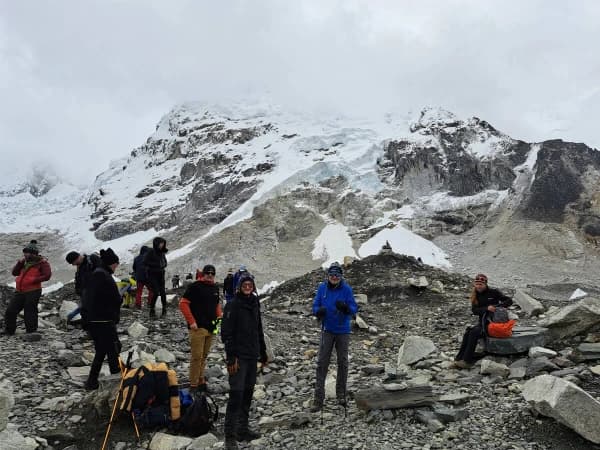
The Express version of the trek is faster but still very rewarding. It takes you to one of the most famous places in the world, Everest Base Camp.
-
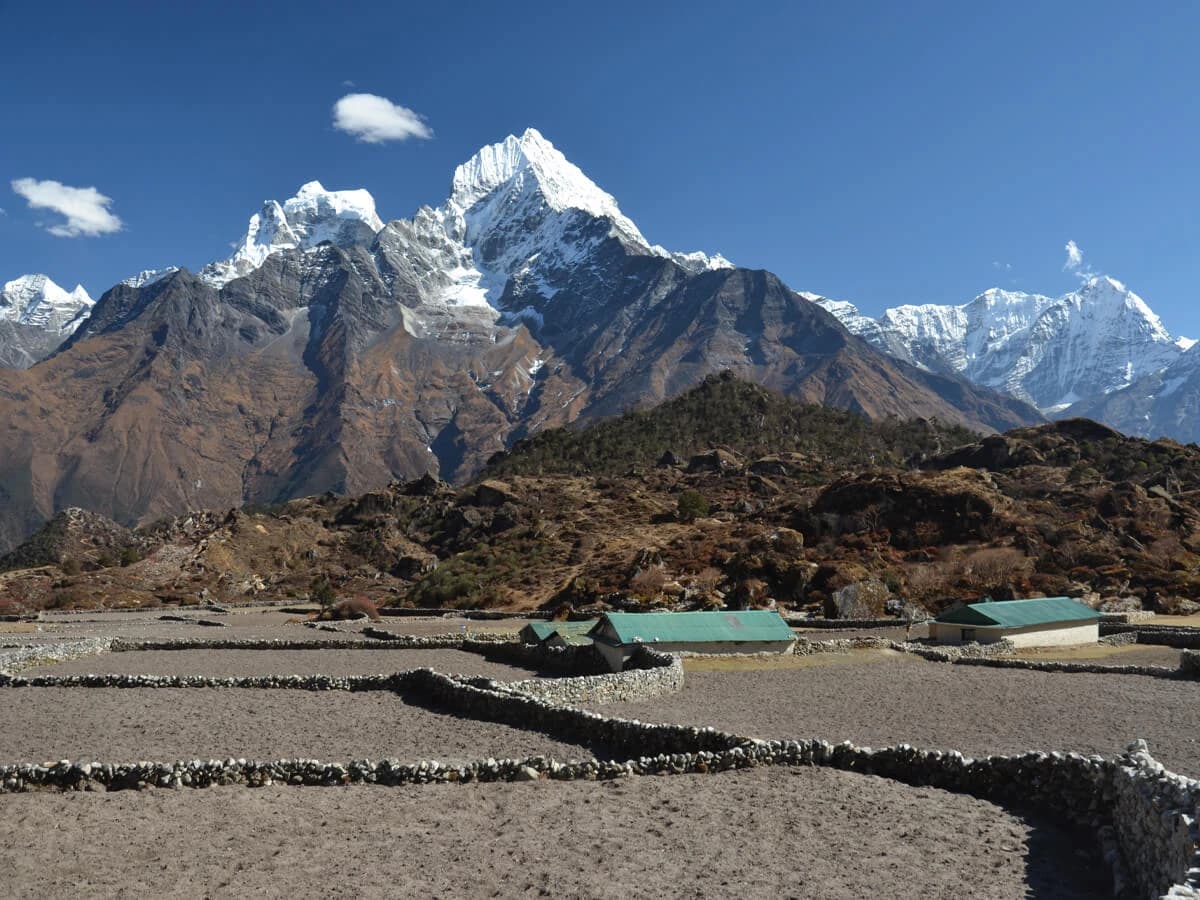
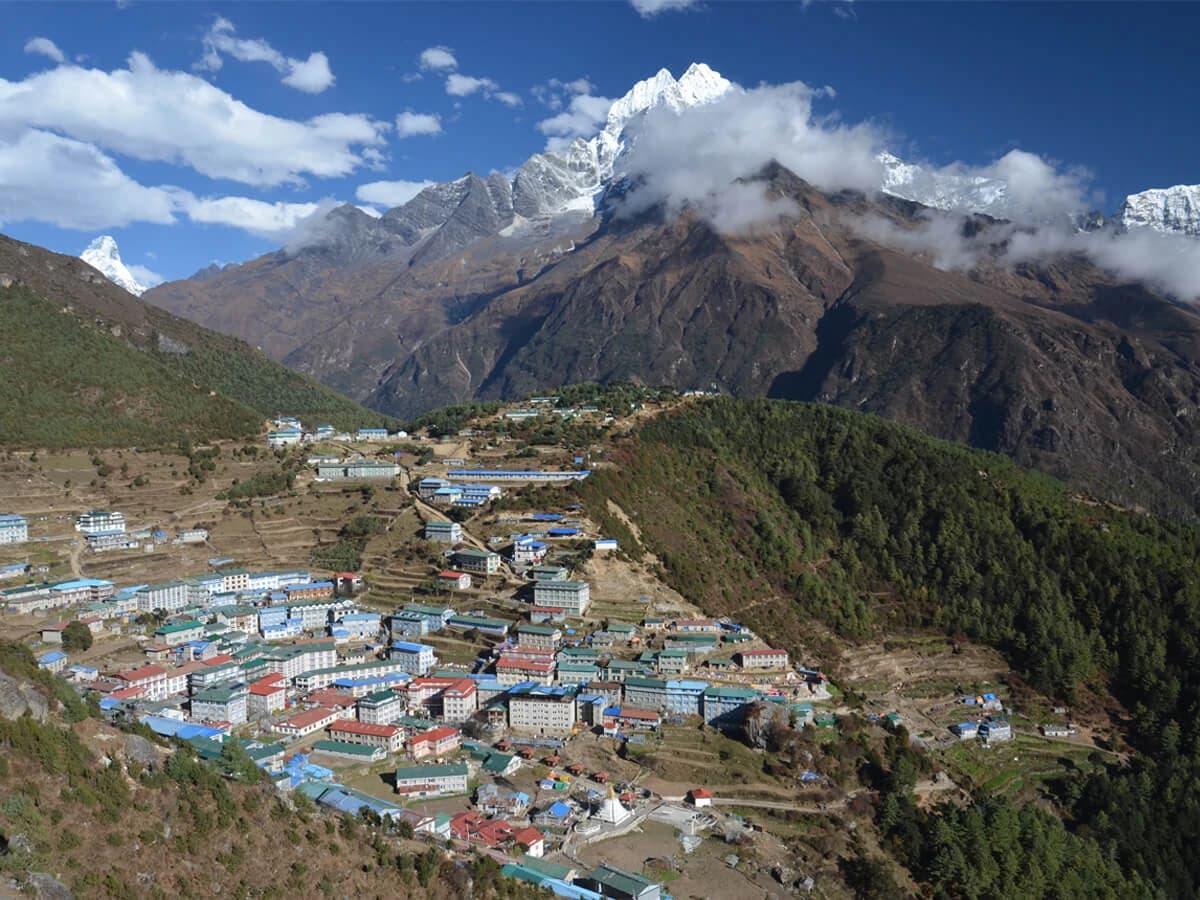
You get to experience the dramatic Khumbu landscapes: alpine villages, rhododendron and pine forests, high‑altitude terrain,
-
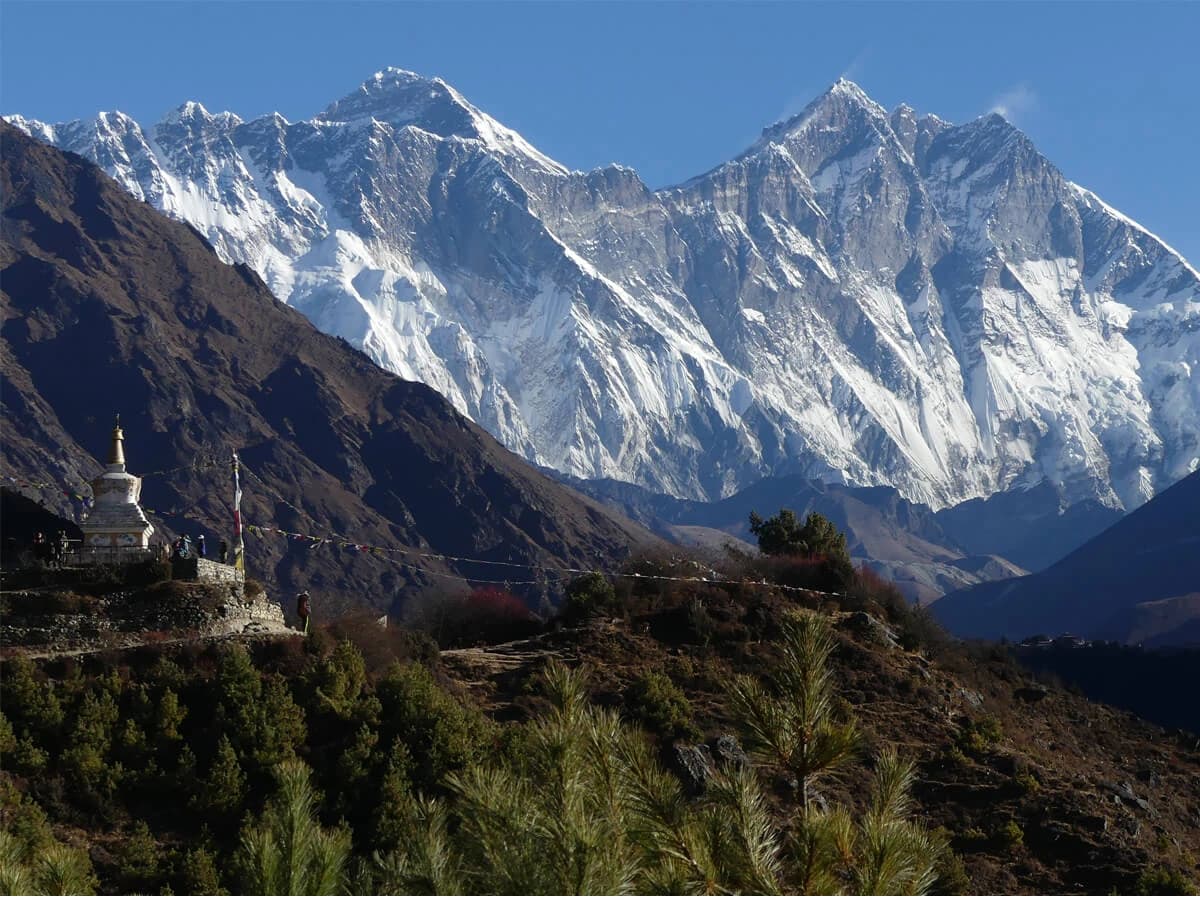
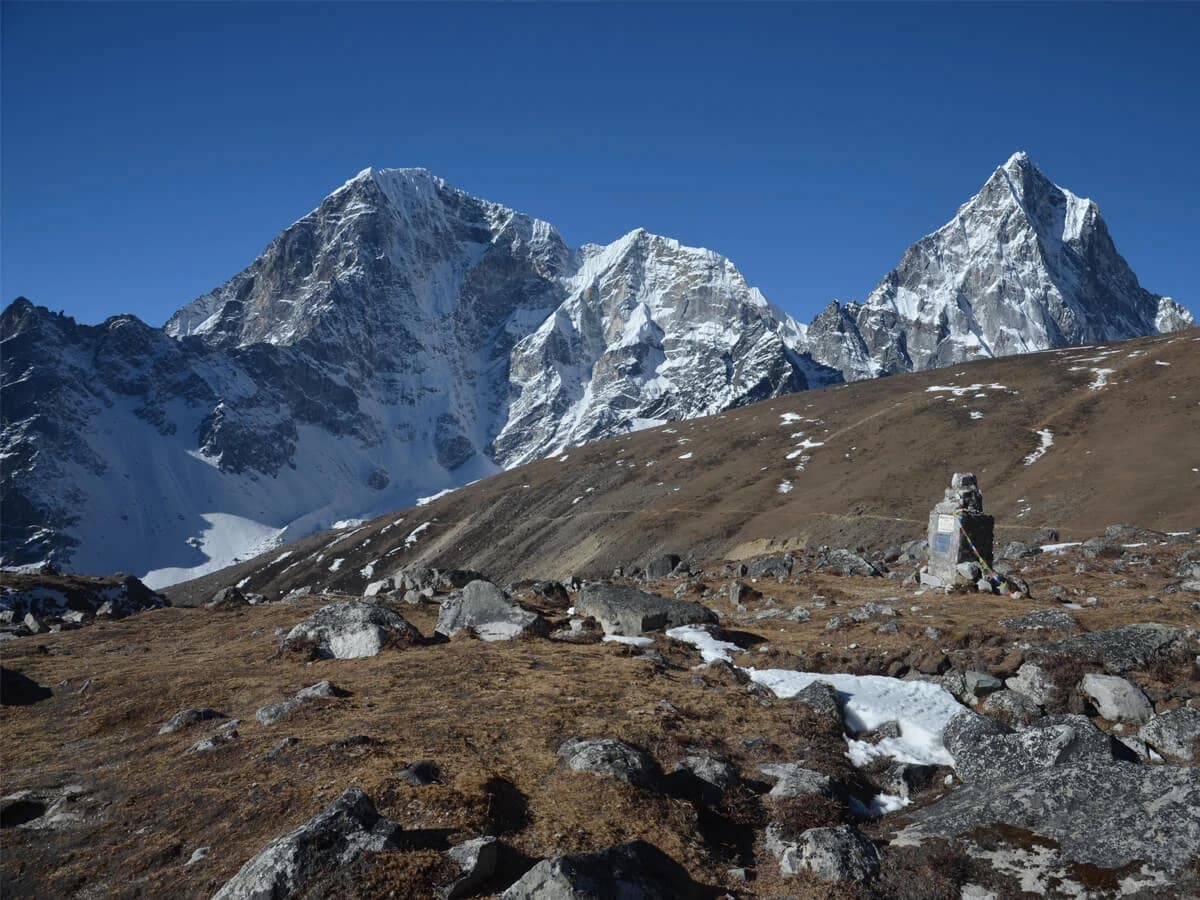
And at higher elevations, you can see legendary peaks like Mount Everest, Ama Dablam,and other Himalayan giants.
-
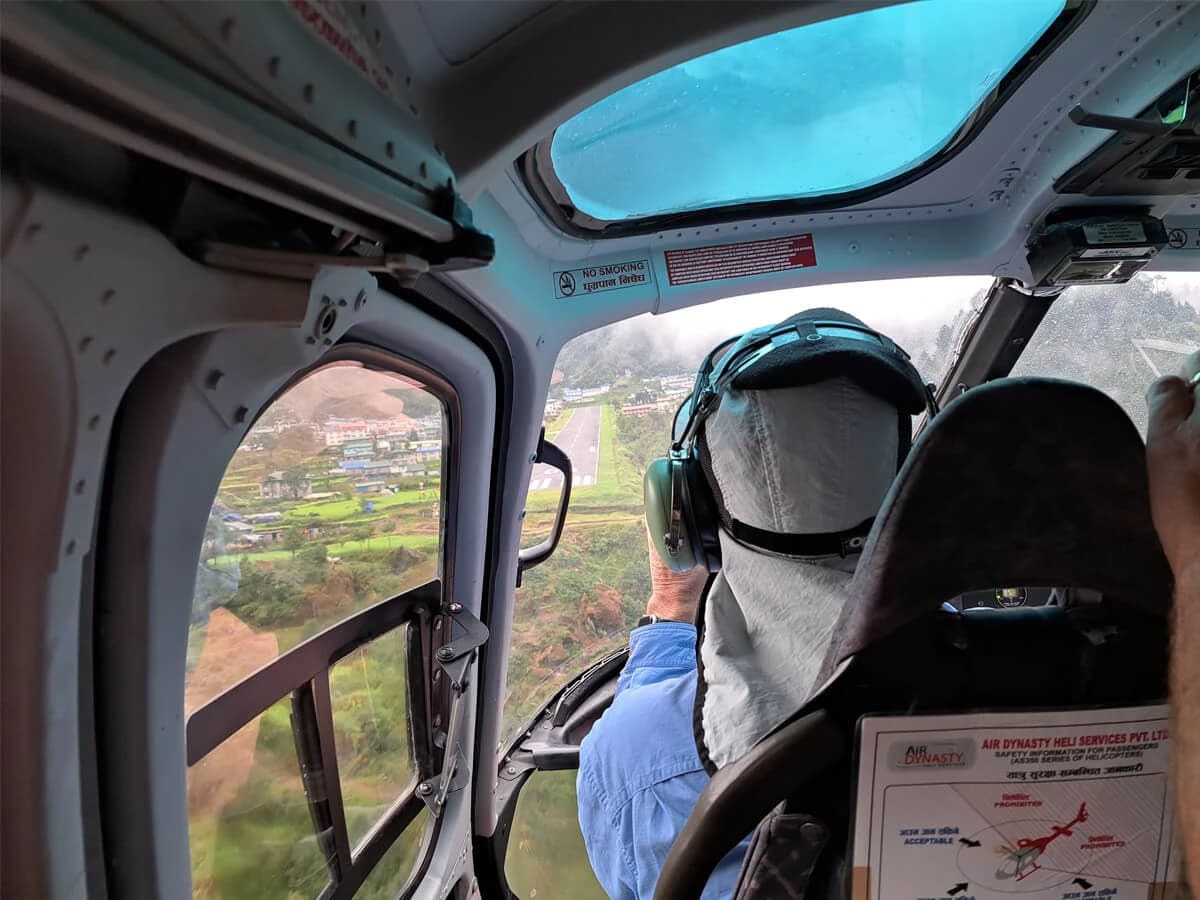
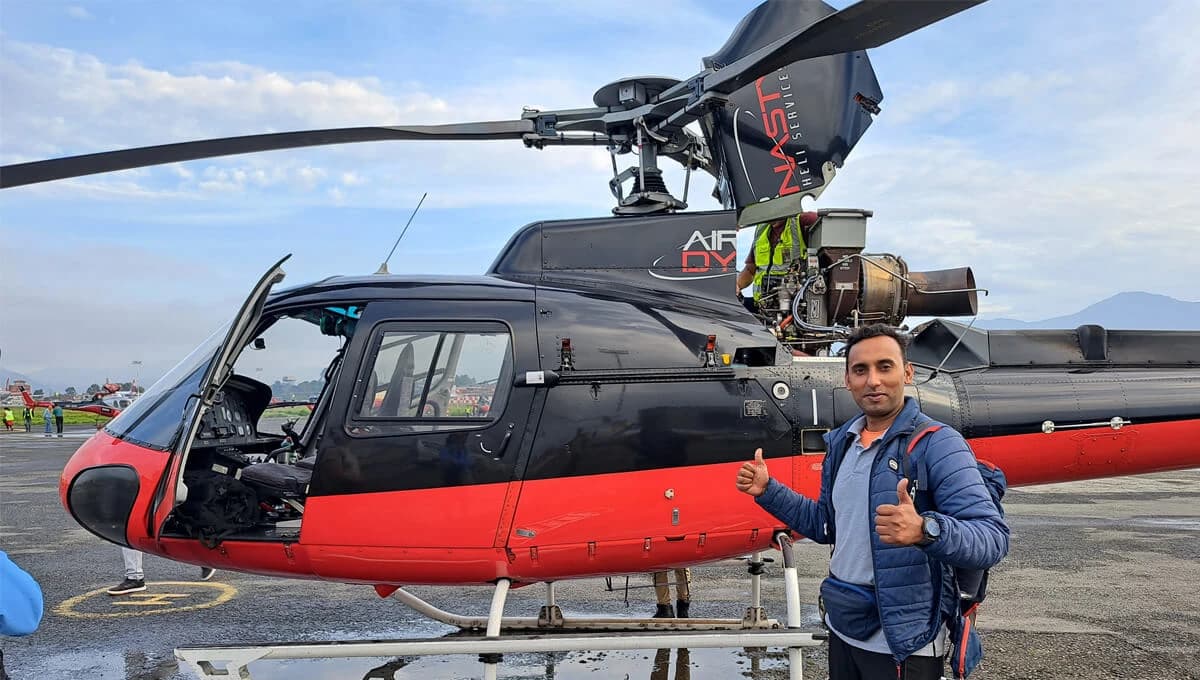
You get to experience scenic views in the flights from Kathmandu to Lukla and also the optional flight from Gorakshep back to Lukla via helicopter and then a return flight back to Kathmandu from Lukla.
-
This trek is great for people who don't have a lot of time but still want to experience the thrill and beauty of the Everest region.
-
With carefully planned pacing, permits handled for you, and experienced support, it packs a full Himalayan adventure into a compact itinerary.
How Difficult is the Express Everest Base Camp Trek?
The trek is moderate to challenging. Even though you won't be doing any technical climbing, you will be going up to high places (above 5,000 m), which means long days of trekking, steep paths, and quick altitude gain.
Trekking on rocky, sometimes icy terrain and navigating steep ascents/descents requires good endurance, stamina, and strong basic fitness. For people who are used to walking or hiking, it's doable. But people who are new to it should do cardio and strength training before they leave to make their trek safer and more comfortable.
Permits Required
For the Everest region, the following permits are mandatory:
-
Sagarmatha National Park Entry Permit.
-
Khumbu Pasang Lhamu Rural Municipality Permit (replacing the old TIMS requirement) for trekkers entering through Lukla/Khumbu.
Nepal Excursion arranges these on behalf of the clients making sure you get a smooth and comfortable start.
Safety and Precautions
Because of high altitude, remote terrain, and variable weather, safety is paramount.
Key precautions include:
-
When you trek, it's best to have a licensed, experienced guide and a porter to help with logistics, navigation, and altitude-related advice.
-
Get used to the altitude by climbing slowly and taking breaks, especially in villages like Namcheor Dingboche. Don't rush the climb.
-
Carry appropriate gear: layered clothing, waterproof/windproof outerwear, warm sleeping gear, sturdy boots, trekking poles.
-
Drink enough water, eat well, get enough sleep, and keep an eye out for signs of altitude sickness like headaches, tiredness, nausea, and dizziness. If you start to feel very bad, go down right away.
Training and Preparation
To increase your chances of a comfortable trek:
-
At least six to eight weeks before your trek, start doing cardio and stamina training. This could include hiking, jogging, climbing stairs, and strengthening your legs and core.
-
Do day hikes with a loaded backpack to adapt to walking with weight.
-
Get used to your trekking boots and practice on different types of ground.
-
Getting used to the altitude: practice hiking at higher and higher altitudes and pay attention to how your body feels.
Mountain Views
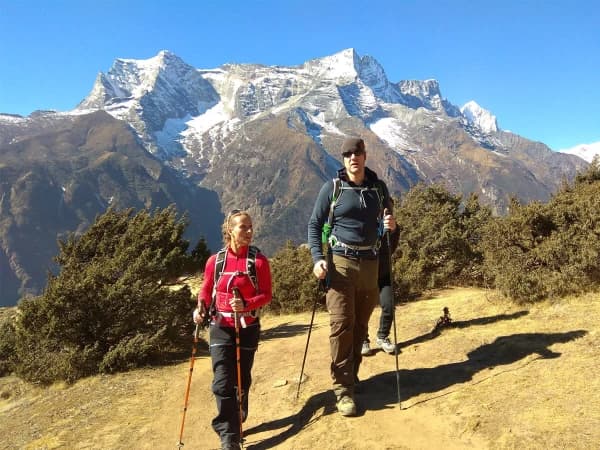
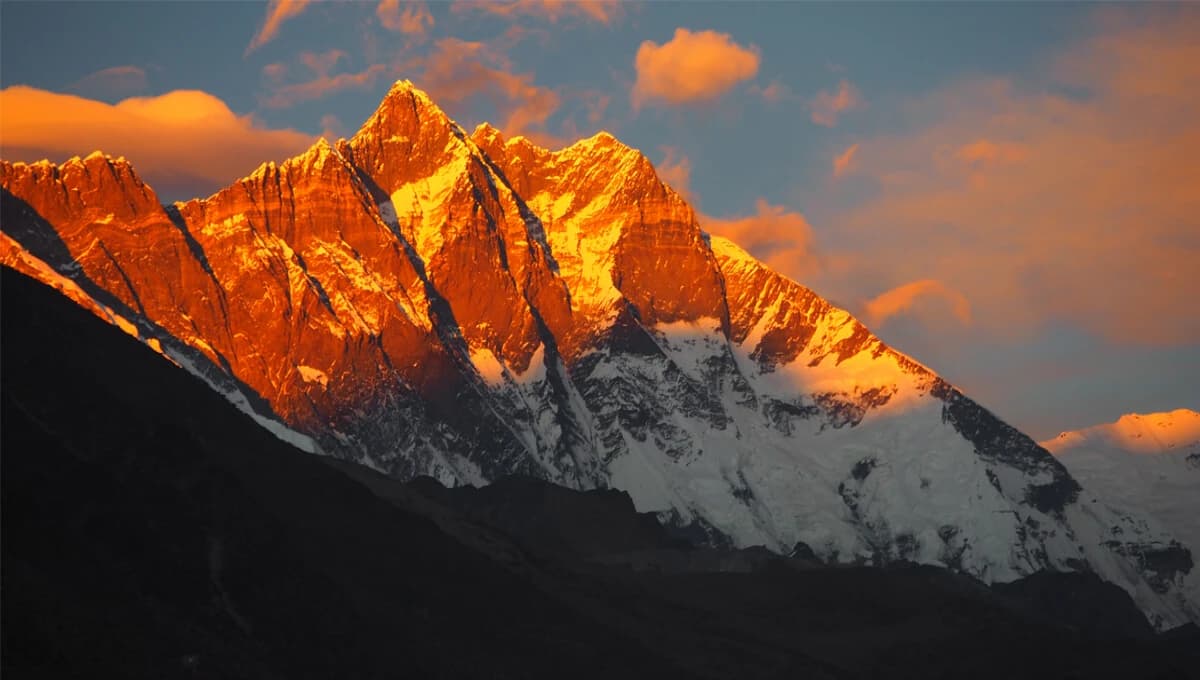
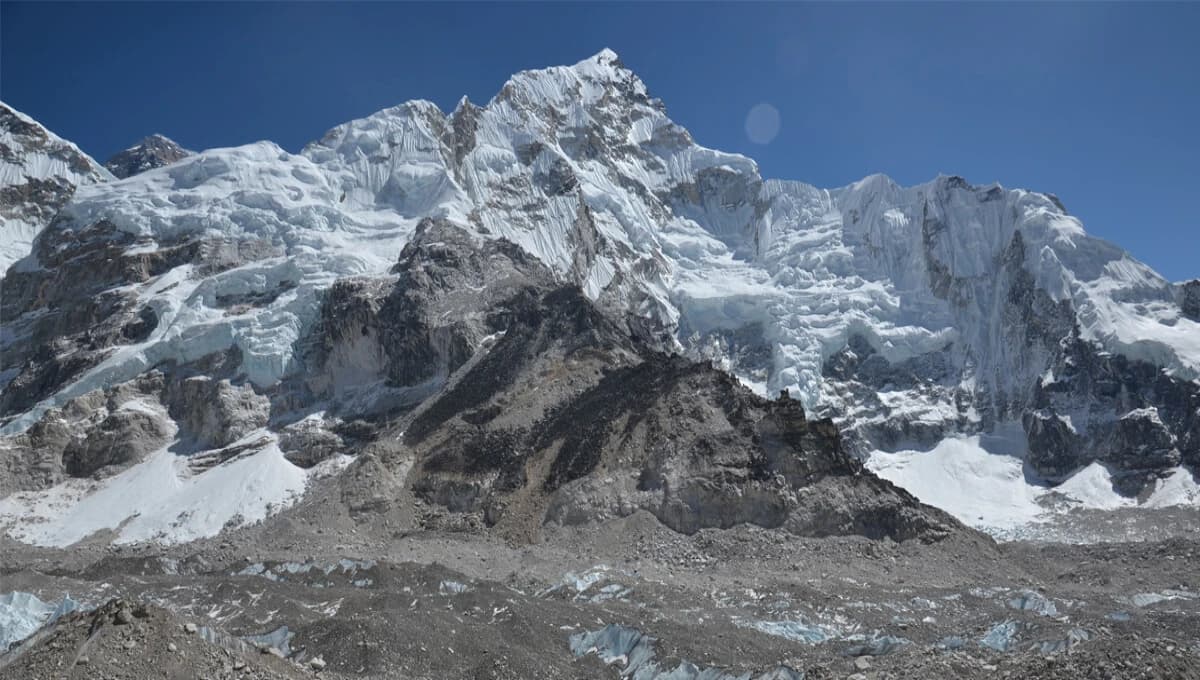
One of the biggest draws of the trek is the breathtaking Himalayan panorama: towering peaks like Everest, Ama Dablam, Lhotse, Nuptse, glaciers, ridgelines, and broad Himalayan valleys. As you climb, daytime provides clear crisp views; sunrise or sunset over snow‑clad peaks is especially spectacular. The views are stunning on clear days, making them perfect for taking pictures and making memories that will last a lifetime.
Altitude Sickness and Prevention
Because the trek reaches elevations over 5,000 m, altitude sickness (AMS) is a real risk. To minimize it:
-
Follow gradual ascent with built-in acclimatization days (e.g., Namche Bazaar, Dingboche).
-
Drink plenty of water, eat regularly, and stay away from alcohol and heavy exercise for the first few days at high altitude.
-
Recognize early symptoms (headache, dizziness, nausea, loss of appetite) and be ready to descend or rest if serious.
-
Use trekking poles and walk at a steady, easy pace.
What to Expect During Express Everest Base Camp Trek
Expect a robust Himalayan adventure compressed into a shorter timeframe: domestic flight to Lukla from Kathmandu, remote mountain villages, teahouse accommodations, daily trekking of 5–7 hours, alpine and sub‑alpine terrain. It might be cold in the morning and at night at higher altitudes. As you go higher, hot showers, Wi-Fi, and comfort become less common, but the views, fresh mountain air, and Himalayan atmosphere get stronger.
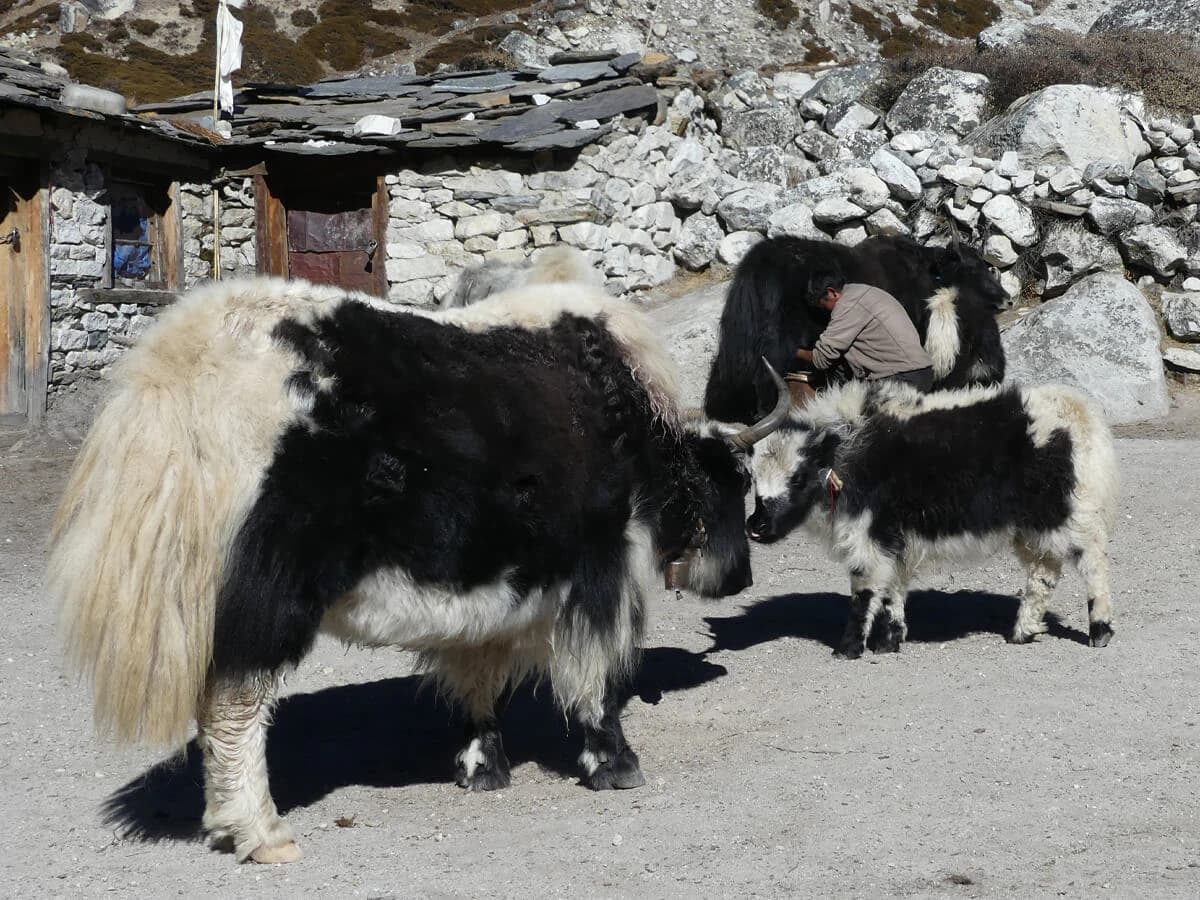
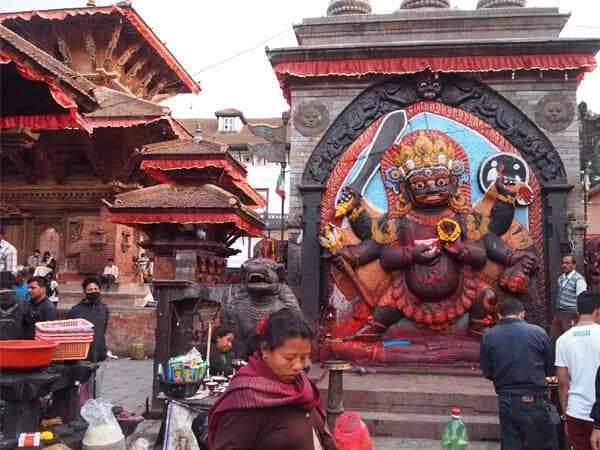
You’ll also experience local Sherpa culture, Himalayan hospitality, stone and wood houses, mountain flora & fauna, and the unique energy of the Everest region. You can take an optional flight back from Gorakshep to Luka then Kathmandu rather than hiking to save time.
Why Choose Nepal Excursion for Express Everest Base Camp Trek
Nepal Excursion simplifies all logistics: flights, permits, accommodations, meals, gear support, experienced guides/porters. We make sure that our itineraries include the right amount of time for acclimatization, which lowers the risk of altitude sickness.
Our local knowledge helps navigate seasonal changes, flight schedules, and remote logistics, giving you the best chance for a safe, rewarding trek with minimal hassle.
Things You Should Know
-
Flights to Lukla from Kathmandu by airplane— common start point — are often weather‑dependent; there may be delays or cancellations. Build buffer days if your schedule allows.
-
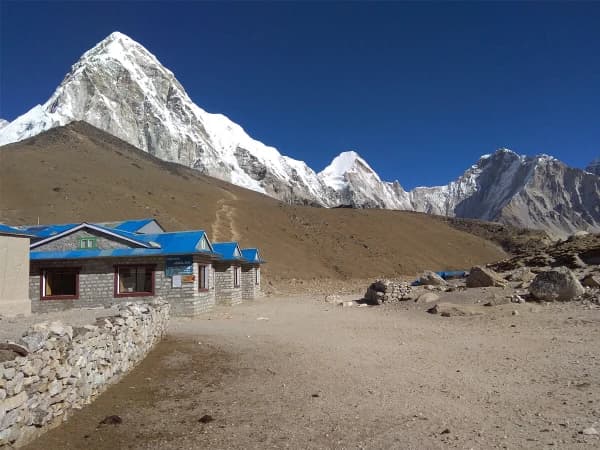
Teahouse rooms are simple: they have shared rooms, basic heating, and not much hot water at high altitudes.
-
At higher altitudes, electricity, charging, and the internet become less available or more expensive.
-
During busy times, trails get crowded, so make sure to book your flights and places to stay well in advance.
-
After reaching Everest Base Camp and Kala Patthar, instead of trekking back down to Lukla, a helicopter flight will be arranged to save time to reach Lukla.
-
Respect local culture, environment, and follow Leave No Trace principles.
Is Express Everest Base Camp Trek for Me?
Yes — if you:
-
Have good physical fitness and some trekking experience or are ready to train.
-
Want to get to Everest Base Campbut don't have much time.
-
Are okay with simpler places to stay and some physical hardship (cold nights, steep trails).
-
Value Himalayan scenery, adventure, and cultural immersion more than comfort or luxury.
If you want a full mountain adventure without weeks of trekking, and are ready to accept the challenges, this trek is a great match.
Meals and accommodation during the Express Everest Base Camp Trek
Plan Your Express Everest Base Camp Trek Today
The usual route is from Kathmandu to Lukla (by plane), then to Phakding, Namche Bazaar, Tengboche, Dingboche, Lobuche, Everest Base Camp/Kala Patthar, and back down the same or a similar route to Lukla and Kathmandu, there is also an optional flight back to Lukla from Gorakshep rather than hiking back to Lukla to save more time.
Nepal Excursion takes care of everything: flights, hotel reservations, meals, permits, a guide and a porter, and a schedule for acclimatization. All you have to do is show up, carry a day pack, and enjoy the hike.
Highlights
-
Reach world‑famous Everest Base Camp (5,364 m) — a lifetime achievement
-
Panoramic Himalayan views including Everest, Lhotse, Nuptse, Ama Dablam, and more
-
Kala Patthar sunrise/sunset views — arguably the best close‑up of Everest
-
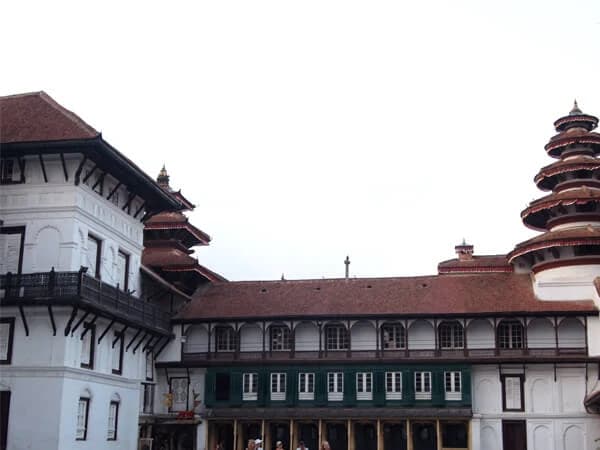
Sherpa culture: monasteries, Himalayan villages, hospitality, high‑altitude lifestyle
-
Enjoy the beauty and remoteness of the Khumbu region, which has glacial valleys, alpine meadows, and rhododendron forests.
Why Choose Express Everest Base Camp Trek
The Express Everest Base Camp Trek is ideal for travelers with limited time who still want to experience the thrill of the Himalayas. This trek is different from others because it combines adventure with efficiency. Trekkers can get to Everest Base Camp and Kala Patthar in less time while still enjoying stunning mountain views, Sherpa culture, and high-altitude landscapes.
Choosing this trek with Nepal Excursion ensures professional guidance, proper acclimatization planning, permits management, comfortable teahouse accommodations, and reliable logistics support, making the high‑altitude adventure safer, smoother, and more enjoyable. It’s perfect for those seeking a bucket‑list Himalayan experience without committing to a lengthy expedition.
Packing List, Gears, and Equipment
-
Durable trekking boots (well broken‑in) + sturdy trekking poles
-
Backpack (40–50 L) + daypack
-
Layered clothing: base layers, fleece, down jacket, waterproof/windproof outer layer
-
Trekking pants, breathable shirts, quick‑dry gear, thermal underwear
-
Warm hat, gloves, sunglasses (UV protection), sunscreen, lip balm
-
Sleeping bag (rated for at least –10 °C or lower)
-
Water bottles + purification method/tablets
-
Headlamp + spare batteries, power bank (electricity limited)
-
First‑aid kit, personal medication, blister care, altitude sickness medicine (if advised)
-
Optional: camera, sunglasses, extra batteries, trekking sandals, rain‑cover for backpack
-
Copies of passport/permits, travel insurance info, cash (Nepali rupees) — remote areas don’t take cards