Explore the Everest Three High Pass Trek, featuring Kongma La, Cho La, and Renjo La—Nepal’s most thrilling high-altitude adventure for experienced trekkers.
By Gokarna
May 25, 2026

Explore the Everest Three High Pass Trek, featuring Kongma La, Cho La, and Renjo La—Nepal’s most thrilling high-altitude adventure for experienced trekkers.
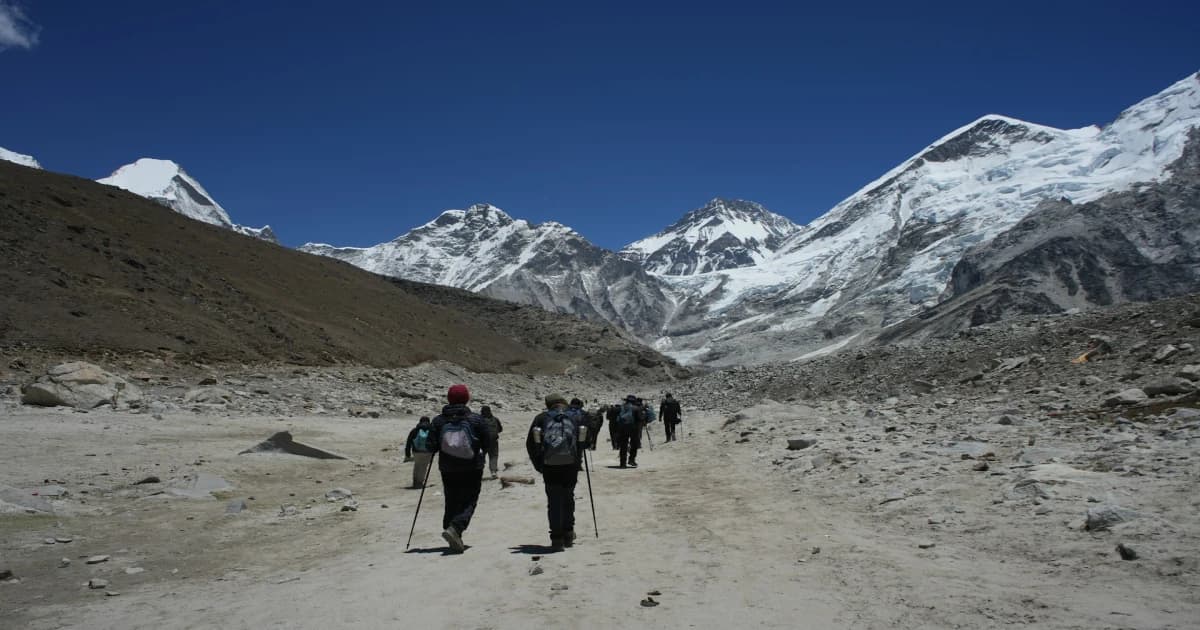
The Everest Three High Pass Trek is one of the most adventurous and rewarding treks in Nepal. It combines three challenging high passes—Kongma La Pass, Cho La Pass, and Renjo La Pass—with spectacular Himalayan scenery, glaciers, and panoramic mountain views. This hike takes you deep into the Everest region, giving trekkers who want both adventure and natural beauty a once-in-a-lifetime experience.
Located in the Khumbu Valley of Nepal, the trek begins from Lukla, near the Everest Base Camp trek extension route, and passes through famous villages like Namche Bazaar, Dingboche, and Gokyo. Trekkers go up and down between 2,800 and 5,535 meters, from Namche Bazaarto Kongma La Pass. This makes it a high-altitude trek that is only for experienced adventurers.
The Everest Three Passes Trek is popular because it combines multiple iconic experiences in a single journey. You can see the calm Gokyo Lakes, hike through glacial valleys, watch the sun rise from Kala Patthar, and get close-up views of Everest, Lhotse, and Cho Oyu. This route is different from standard treks because it lets trekkers see less-traveled trails while still enjoying classic views of Everest.
This trek requires proper acclimatization, fitness, and preparation, but the effort is rewarded with breathtaking landscapes, unique Sherpa culture, and the satisfaction of crossing three high passes in one journey.
The Everest Three High Pass Trek is ideal for those who want a challenging yet unforgettable Himalayan adventure, combining high-altitude trekking, glacial valleys, and some of the most stunning views Nepal has to offer.
The Everest Three High Pass Trek is famous for combining adventure, natural beauty, and cultural experiences. As you hike through the Khumbu region, you'll see beautiful mountains, glacial valleys, and Sherpa villages that are unlike any others.
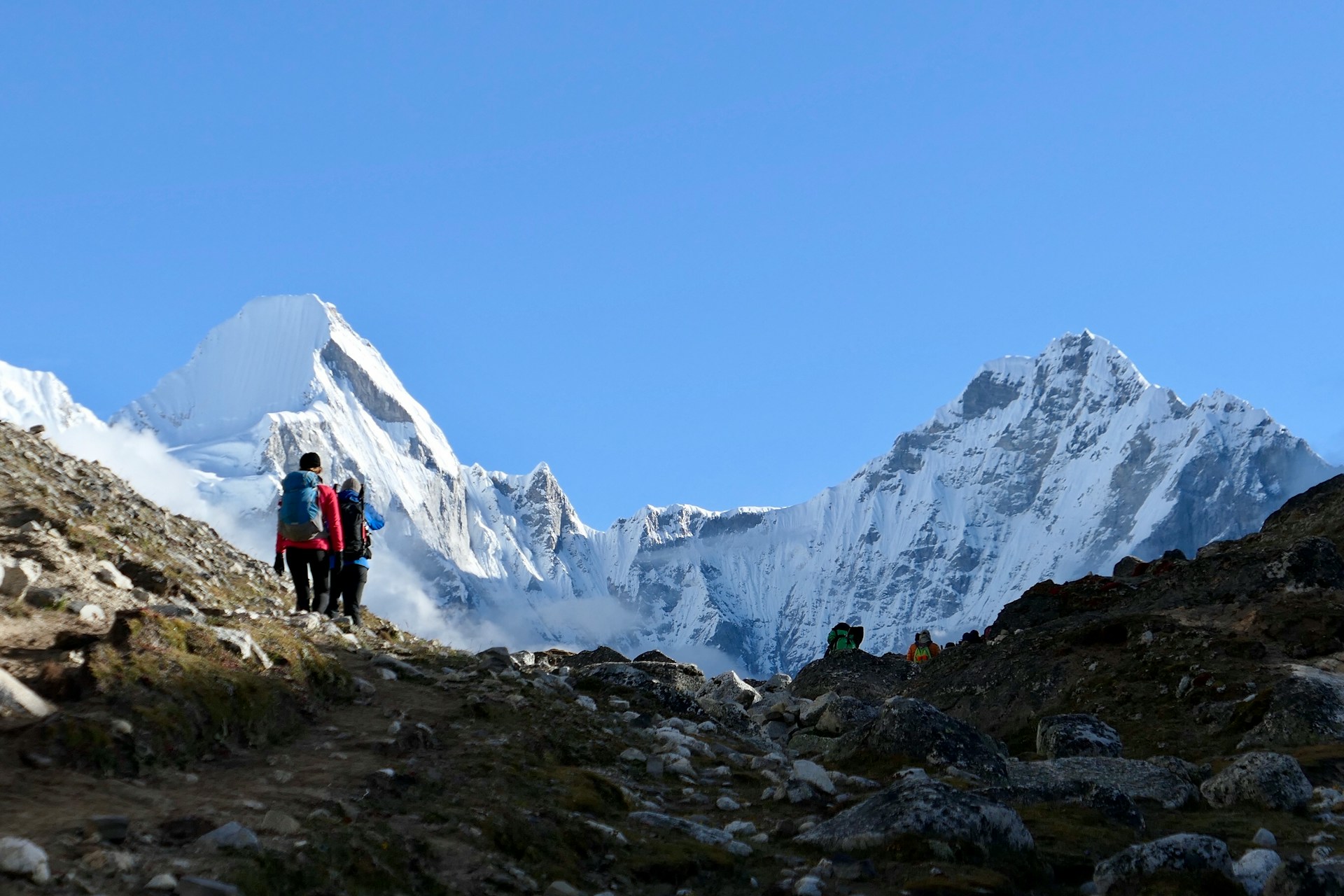
Kongma La Pass (5,535 m): The highest pass on this trek, offering panoramic views of Everest, Lhotse, and Cho Oyu.
Cho La Pass (5,420 m): Cross glacial ridges with breathtaking ice formations and close-up Himalayan vistas.
Renjo La Pass (5,360 m): Known for its beautiful views of the turquoise glacial waters and the Gokyo Lakes side trip.
Trek through dramatic glacial valley trekking in the Everest region, including Ngozumpa Glacier near Gokyo.
Marvel at snow-capped peaks, icy rivers, and rugged mountain terrains.
Visit traditional Sherpa villages like Namche Bazaar, Khumjung, and Gokyo.
See local monasteries, prayer wheels, and Buddhist customs.
Talk to friendly locals and get a taste of real mountain culture.
Enjoy sunrise and sunset views from Kala Patthar for a full view of Everest, Lhotse, and Ama Dablam.
Multiple viewpoints along the trail offer perfect photography opportunities.
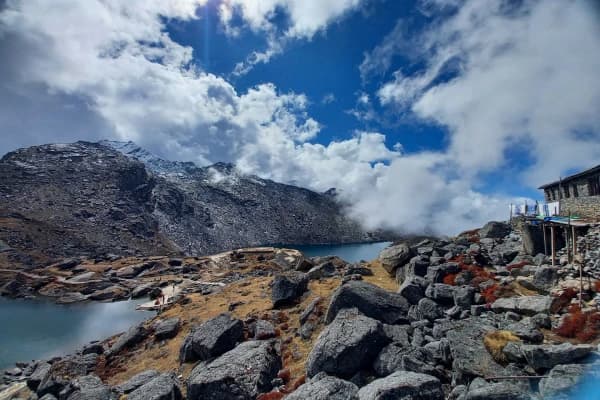
The turquoise Gokyo Lakes are one of the best parts of the trek. They are great places to rest and see the mountains reflected in the water.
Optional side hikes around the lakes enhance the trekking experience.
The Everest Three High Pass Trek combines high-altitude adventure, natural beauty, and cultural immersion, making it one of the most rewarding treks in Nepal. Each pass and viewpoint adds a unique perspective, ensuring unforgettable memories for all trekkers.
The Everest Three High Pass Trek is a high-altitude adventure, and weather is very important for making the trek safe and fun. Knowing what the weather is like during different times of the year helps trekkers plan their trip so they can see the best views and have a comfortable time.
1. Spring (March–May) – Clear Skies & Blooming Hills
Weather: Mild and mostly sunny with occasional light rain.
Temperature: 5–15°C at lower elevations, below freezing at high passes.
Highlights: Snow melts at lower altitudes, rhododendron forests bloom, and visibility is excellent for panoramic Himalayan views. Spring is one of the most popular seasons for this trek.
2. Autumn (September–November) – Peak Trekking Season
Weather: Stable and dry with clear skies.
Temperature: 10–18°C at lower altitudes, -5–5°C at high passes.
Highlights: Clean air and clear visibility during this season ensures the best views of Everest, Lhotse, and Ama Dablam. Making this season perfect for photography and high-altitude trekking.
3. Winter (December–February) – Cold but Peaceful
Weather: Cold mornings with occasional snow.
Temperature: -5–5°C at high passes, 0–10°C at lower villages.
Highlights: There are fewer people on the trail, and the landscapes are peaceful. Snow can make things look even better, but high passes can be hard and dangerous.
4. Monsoon (June–August) – Rainy & Cloudy
Weather: Heavy rainfall, slippery trails, and low visibility.
Temperature: 15–20°C at lower elevations.
Highlights: Mountains are often hidden by clouds, making this season less ideal for the trek. Landslides may also occur, increasing risks.
For the best experience, spring and autumn are recommended for the Everest Three High Pass Trek, providing clear skies, comfortable temperatures, and stunning panoramic views of the Himalayas.
The Everest Three High Pass Trek is a tough but beautiful trip through the Khumbu region. It takes you over three high passes—Kongma La, Cho La, and Renjo La—and through beautiful Himalayan landscapes, Sherpa villages, and glacial valleys.
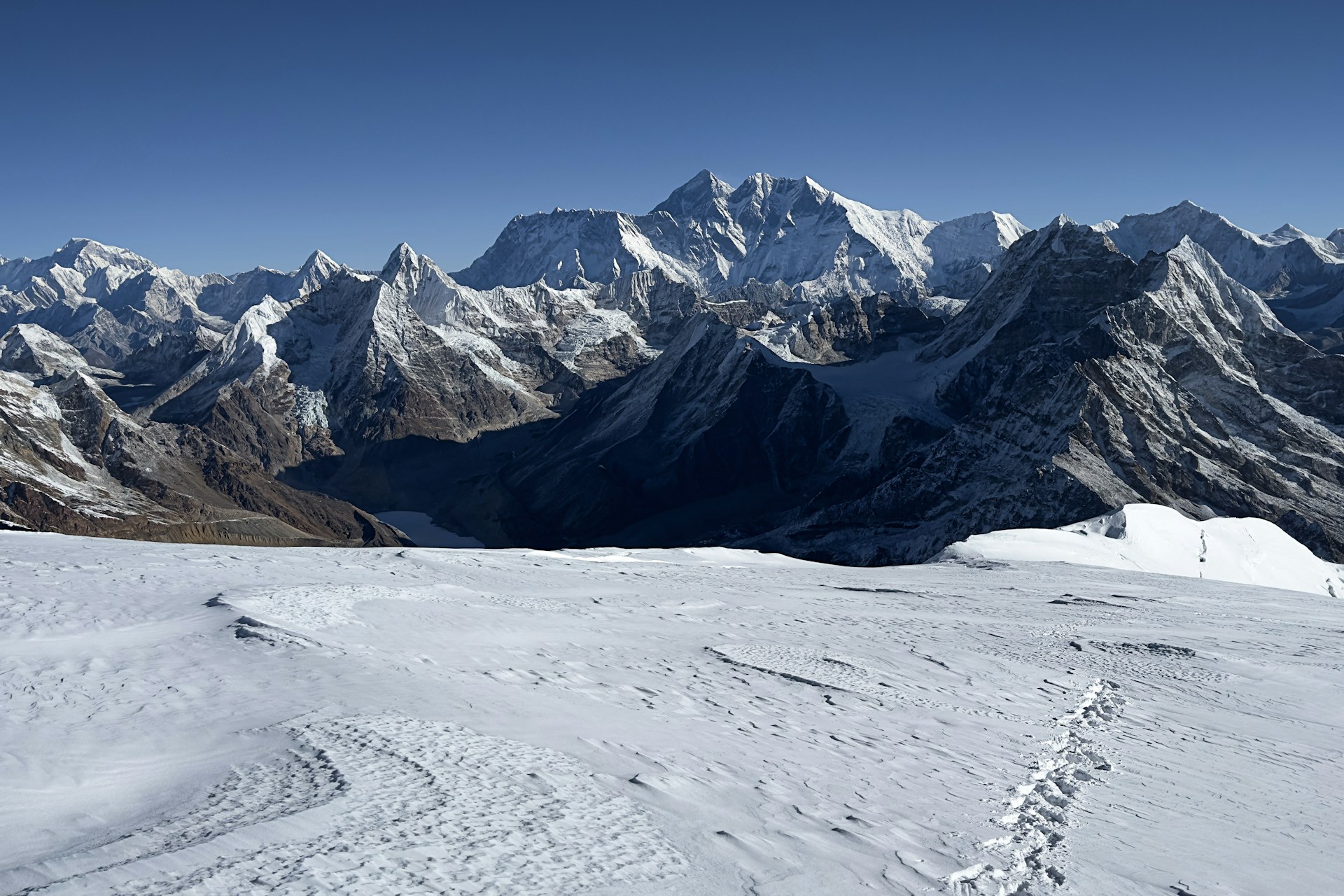
A 21-day Everest Three High Pass Trek itinerary gives you enough time to get used to the altitude, see the sights, and safely cross high-altitude terrain.
Day 1: Arrival in Kathmandu (1,400 m)
Prepare trekking gear and attend briefing with Nepal Excursion.
Day 2: Fly to Lukla (2,860 m) and trek to Phakding (2,610 m)
Gentle introduction along the Dudh Koshi River.
Day 3: Trek to Namche Bazaar (3,440 m)
First big stop to get used to the new place; you can also check out the local markets.
Day 4: Acclimatization in Namche Bazaar
Optional short hike to Khumjung village or nearby viewpoints.
Day 5: Trek to Tengboche (3,860 m)
Visit the famous Tengboche Monastery with panoramic Himalayan views.
Day 6: Trek to Dingboche (4,410 m)
Cross moraine trails with views of Ama Dablam and Lhotse.
Day 7: Acclimatization in Dingboche
Short hike to Nagarjun or nearby viewpoints.
Day 8: Trek to Lobuche (4,940 m)
Scenic route with glacial valley trekking and Everest views.
Day 9: Trek to Gorak Shep (5,170 m) and Everest Base Camp (5,364 m)
Optional sunrise hike to Kala Patthar for panoramic peaks.
Day 10: Return to Gorak Shep and trek to Dzongla (4,830 m)
Begin approach to Kongma La Pass.
Day 11: Cross Kongma La Pass (5,535 m) to Lobuche
Challenging glacier crossing with spectacular summit ridge views.
Day 12–13: Trek to Chhukung and Dingboche via glacier paths
Rest and acclimatization along the route.
Day 14: Trek to Cho La Pass (5,420 m) and Gokyo Lakes (4,750 m)
Optional side hike around Gokyo Lakes side trip.
Day 15: Rest day at Gokyo
Explore lakes and panoramic viewpoints.
Day 16: Cross Renjo La Pass (5,360 m) to Thame village
Spectacular Himalayan scenery and glacier trails.
Day 17–20: Trek back via Namche Bazaar and Phakding
Gradual descent for safe acclimatization.
Day 21: Return flight or drive to Kathmandu (1,400 m)
End of trek with memories of the three high passes and Himalayan panoramas.
The Everest Three High Pass Trek is one of the most challenging treks in Nepal due to its high altitudes, long walking days, and glacier crossings. It has three big high passes: Kongma La (5,535 m), Cho La (5,420 m), and Renjo La(5,360 m). The trails are steep, rocky, and icy.
Rated strenuous to very challenging, suitable for trekkers with previous high-altitude experience.
Some trails go over glaciers, through snowfields, and over rough ground.
You need stamina and good pacing for long days of trekking (6 to 9 hours).
Cardiovascular endurance and leg strength are essential for long ascents and descents.
Trekkers should practice hiking with a heavy backpack, climbing stairs, and doing basic trekking exercises.
It is best to do moderate acclimatization hikes before the trek.
High passes exceed 5,300 meters, making altitude sickness a real concern.
Proper acclimatization in Namche Bazaar and Dingboche is crucial.
Headaches, nausea, dizziness, and tiredness are all signs of altitude sickness. Rest and hydration are very important.
Always hike with a trusted guide or agency like Nepal Excursion.
Take your time going up, pay attention to how your body feels at high altitudes, and don't push yourself too hard.
Bring the right gear for cold, windy, and sudden weather changes at high altitudes.
The Everest Three High Pass Trek rewards trekkers with spectacular Himalayan views, glacier valleys, and cultural encounters, but trekkers must be in good shape, plan ahead, and be aware of the risks of being at high altitudes in order to have a safe and memorable trip.
The Everest Three High Pass Trek requires proper permits, budgeting, and equipment to ensure a safe and enjoyable journey. You need to plan ahead if you want to go trekking in Nepal at high altitudes. It's important to know what to bring and what permits you need.

Sagarmatha National Park Permit (SNP): Mandatory for trekking within the park boundaries.
Khumbu Pasang Lhamu Rural Municipality Permit: Required for local administration fees.
TIMS Card (Trekkers’ Information Management System): Essential for all trekkers in Nepal.
Permits are arranged easily through local agencies like Nepal Excursion.
Permits: Approximately USD 50–60 per person for SNP and local permits.
Guide & Porter Fees: Around USD 25–30 per day for guides and USD 15–20 per day for porters.
Accommodation & Food: USD 20–40 per day depending on tea house or lodge choice.
Flights & Transportation: A one-way flight to Lukla costs between $150 and $200. Sharing a ride may lower the cost.
Clothing: Thermal base layers, insulated jackets, waterproof outerwear, trekking pants, gloves, and hats.
Footwear: Sturdy, waterproof trekking boots with good grip; optional crampons for icy passes.
Backpack & Accessories: Daypack for essentials, trekking poles, water bottles, headlamp, sunglasses, and sunscreen.
Sleeping & Safety Gear: Warm sleeping bag (rated to -15°C), first aid kit, and altitude medication if needed.
Proper permits, budgeting, and suitable gear are essential for a safe and comfortable Everest Three High Pass Trek.
The Everest Three High Pass Trek combines challenging high-altitude trekking with comfortable tea house stays, local cuisine, and practical travel advice. Planning ahead makes sure that your trip through the Himalayas is safe, fun, and unforgettable.
Most nights are spent in tea houses or lodges along the trail, offering basic rooms with beds, blankets, and shared bathrooms.
Lodges are simpler at higher altitudes like Gorak Shep, Dzongla, and Gokyo because of the harsh conditions.
During the busiest trekking times (spring and fall), it's best to book ahead of time.
Typical meals include Dal Bhat (rice and lentils), noodles, soups, and occasional Western dishes.
Tea houses serve hot drinks, snacks, and energy foods to help people who are trekking at high altitudes.
Bring energy bars, nuts, and water purification tablets with you on long hikes.
Acclimatization: To lower your risk of getting altitude sickness, take breaks in Namche Bazaar, Dingboche, and Gokyo.
Hydration: Stay hydrated at high altitudes by drinking a lot of water.
Layered Clothing: Mornings and evenings are cold; carry layers, hats, gloves, and waterproof jackets.
Cash: There aren't many ATMs along the way, so make sure you have enough Nepali rupees for food, tea house stays, and small purchases.
Respect Local Culture: Be aware of local customs, especially in monasteries and Sherpa villages.
With proper accommodation planning, a balanced diet, and practical preparation, the Everest Three High Pass Trek becomes a rewarding adventure.
The Everest Three High Pass Trek is a challenging adventure that requires careful planning, local knowledge, and expert guidance.
Choosing a reliable agency like Nepal Excursionensures your journey is safe, comfortable, and unforgettable.
1. Experienced Local Guides
Nepal Excursion provides certified guides with extensive experience in high-altitude trekking Nepal.
Our guides know all about the three high passes—Kongma La, Cho La, and Renjo La—, so you can be sure that they can help you stay safe and get used to the altitude quickly.
Our guides also talk about Sherpa culture, the villages in the area, and the landscapes of the Himalayas, helping you understand the cultures, tradition there.
2. Hassle-Free Logistics
We arrange all necessary permits, TIMS cards, and park fees, eliminating administrative stress.
We take care of reliable transportation to Lukla, tea house reservations, and trekking plans in a professional way.
We offer porter services for bags so that trekkers can focus on the journey.
3. Safety and Support
Trekking at high altitudes can be dangerous because of things like altitude sickness and sudden changes in the weather.
Nepal Excursion ensures proper acclimatization schedules, emergency protocols, and first-aid preparedness.
Experienced staff monitor trekkers’ health and safety throughout the trek.
4. Customized Experiences
We offer flexibility for side trips such as the Gokyo Lakes side trip or Everest Base Camp extension.
Tailored itineraries meet the needs of photographers, families, and experienced trekkers.
Choosing Nepal Excursion provides peace of mind, expert support, and a well-organized trek. Our local knowledge and logistical expertise make the Everest Three High Pass Trek accessible, safe, and truly memorable.
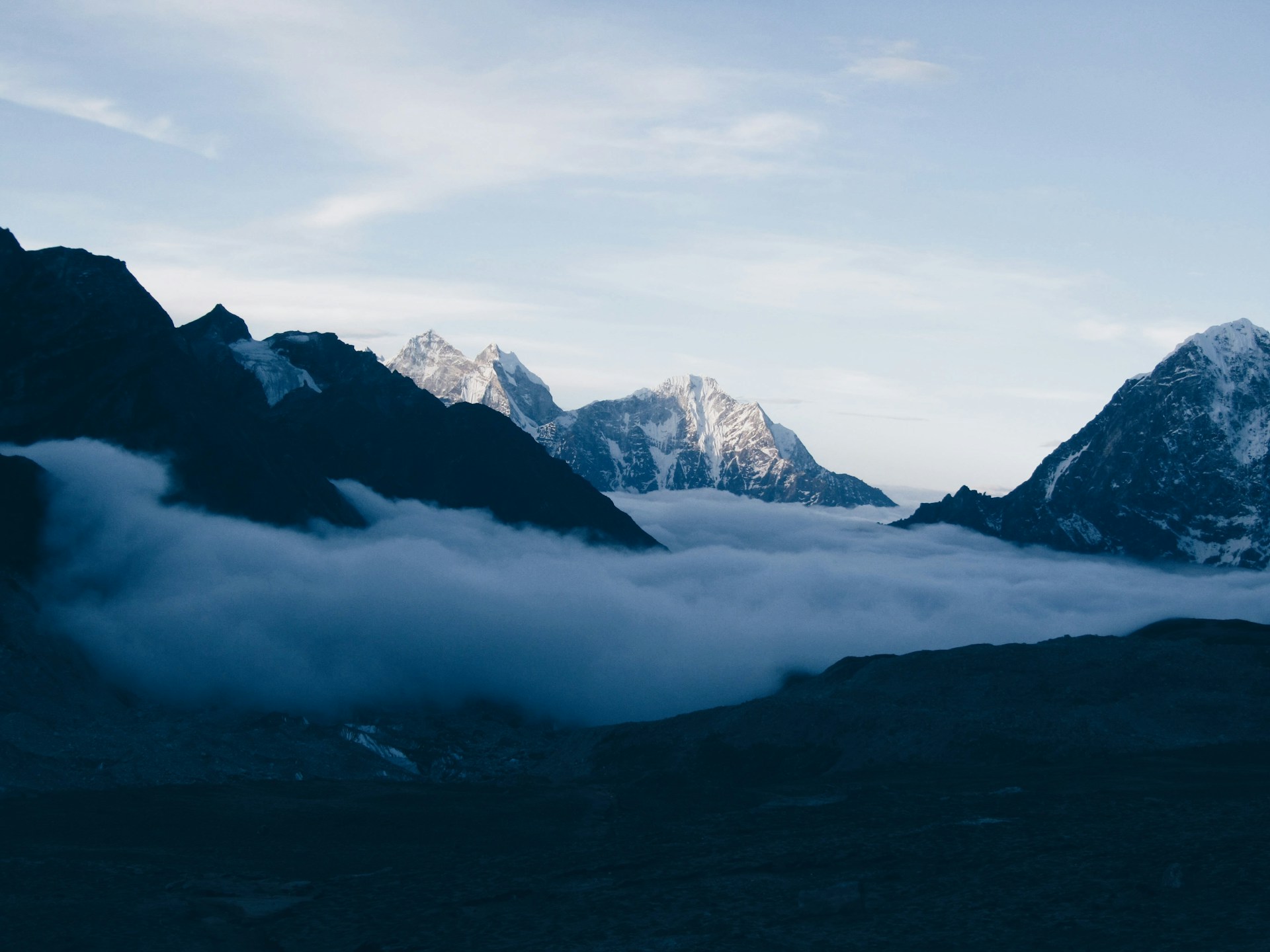 The Everest Three High Pass Trek is one of the most rewarding and challenging treks in Nepal. Crossing Kongma La, Cho La, and Renjo La passes, trekkers experience high-altitude adventure, breathtaking Himalayan panoramas, and serene glacial valleys. On the way, you can see the beautiful culture of the Khumbu region, visit traditional Sherpa villages, and explore the Gokyo Lakes.
This trek is perfect for people who like trekking in Nepal at high altitudes and are ready for physical challenges. The trip will be safe and fun if you acclimatize, get in shape, and plan carefully. The snowy passes, turquoise lakes, and wide-open peaks will make memories that last a lifetime.
Booking with a trusted agency like Nepal Excursion guarantees smooth logistics, expert guides, and reliable support throughout the trek. From arranging permits to managing accommodations and emergency support, professional guidance enhances safety and comfort.
The Everest Three High Pass Trek is more than just a hike — it is an immersive Himalayan experience, blending adventure, nature, and culture. For anyone seeking a challenging yet unforgettable journey, this trek offers the perfect opportunity to explore the grandeur of the Everest region in Nepal.