Best Season for Tsum Valley Trek
The best time to trek the Tsum Valley is in the spring (March to May) and autumn (September to November). Rhododendrons and wildflowers bloom in the spring, the forests turn a rich green, and the weather is mild, making for great trekking and scenic conditions. In the fall, the skies are clear, the weather is stable, the air is crisp, and the views of the Himalayan peaks are sharp. This is the best time for photography and enjoying the view from the top.
It is also possible to go in the winter (December to February), but it is cold and there is snow at higher elevations and few services. And it’s not a good idea to go during the monsoon season (June to August) because of the heavy rain, muddy and slippery trails, and higher risk of landslides.
What Makes Tsum Valley Trek Special?
-
Tsum Valley is a hidden gem in the Himalayas that is far away, full of culture, and spiritually powerful.
-
This trek offers a blend of pristine alpine landscapes, ancient Tibetan-Buddhist villages and monasteries (gompas), secluded valleys, and views of majestic mountains like those in the Manaslu / Ganesh Himal region.
-
The valley is less crowded than popular trekking routes because it is in a restricted area, which makes it feel more private, authentic, and beautiful in a natural way.
-
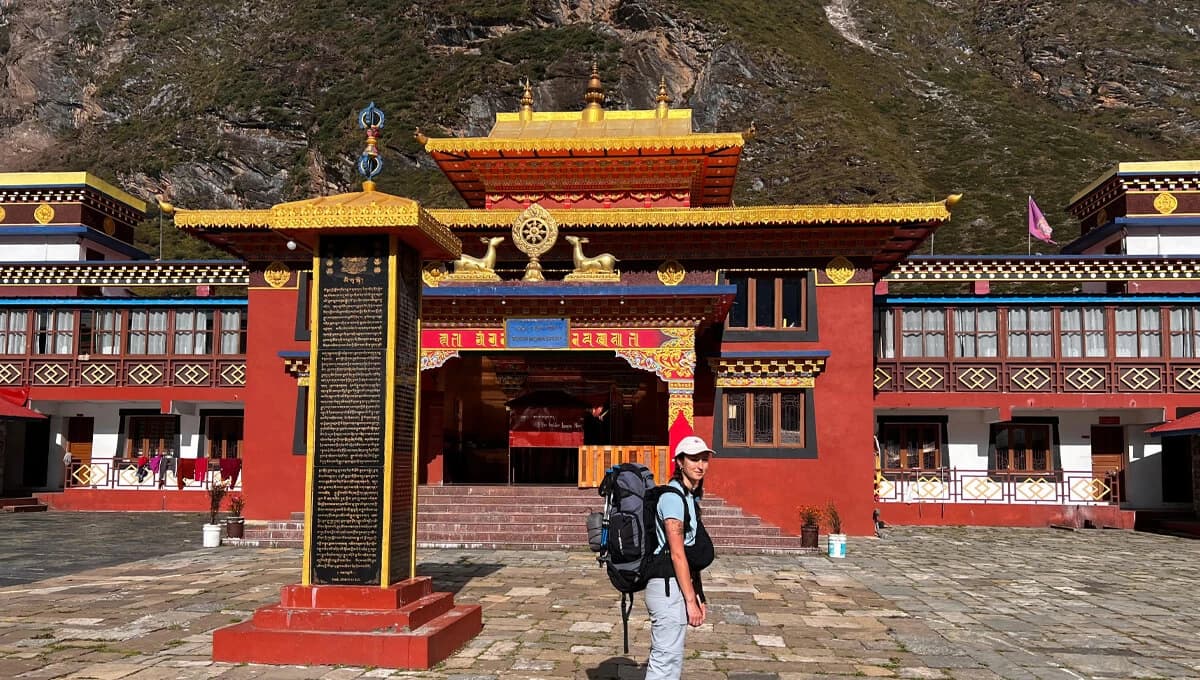
Travelling through villages, monasteries, mani walls, prayer flags — you get deep cultural immersion into Tibetan-influenced Himalayan tradition that few treks offer.
How Difficult is the Tsum Valley Trek?
The Tsum Valley Trek is generally classified as moderate to challenging. The trail goes through a variety of landscapes, including forest paths, river valleys, steep climbs, and rocky areas at higher elevations. Most days of walking last between 5 and 7 hours, but some days have longer or steeper sections.
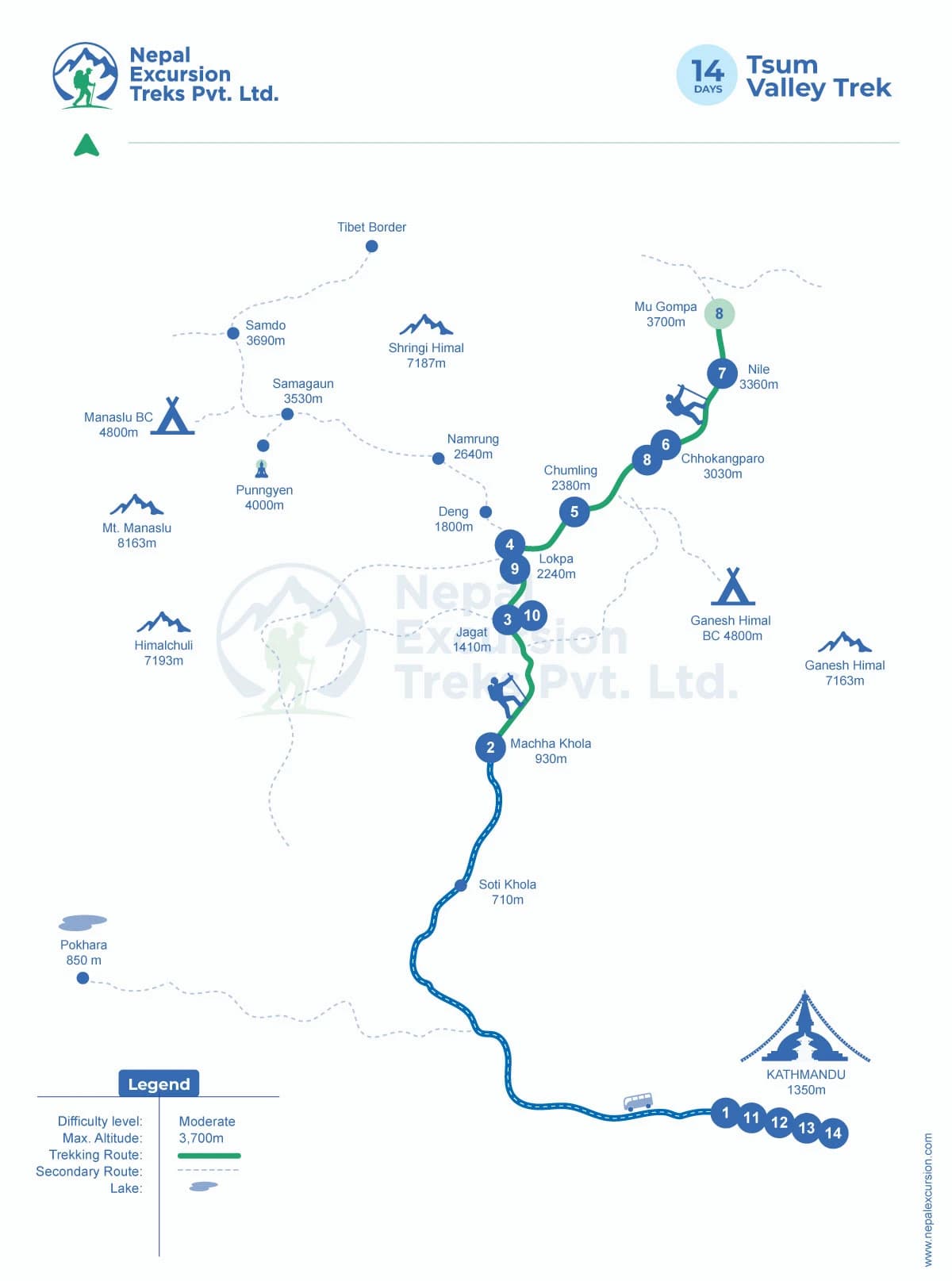
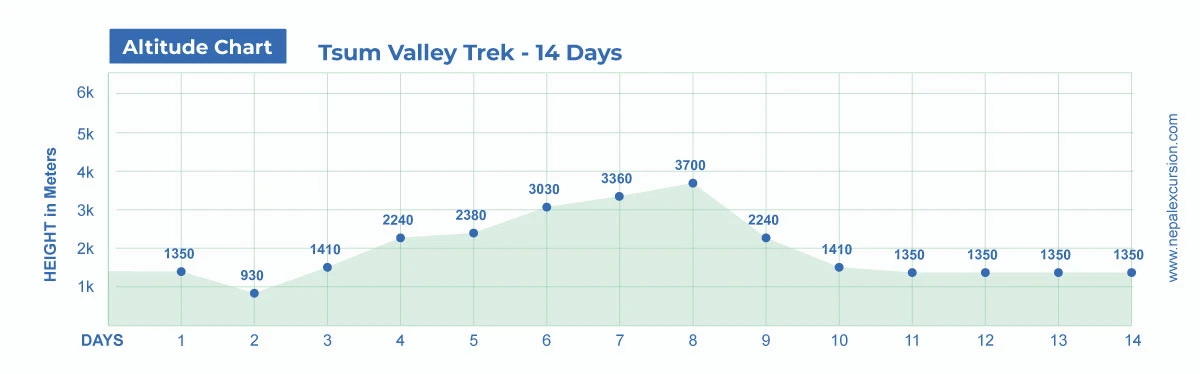
While the highest common altitude in many itineraries is around 3,700–3,900 m(for example at Mu Gompa), altitude sickness remains a real risk — so prior fitness, acclimatization, and cautious pacing are essential. Because it's a remote region with limited facilities on some sections, some trek experience or at least moderate fitness is recommended.
Trekking Permits for Tsum Valley Trek
Internet Access and Mobile Network in the Tsum Valley Trek
Safety and Precautions
Given the remoteness and variable terrain of Tsum Valley:
-
A licensed local guide is required to help you find your way on narrow trails, keep an eye on your altitude changes, and take care of permits.
-
At high altitudes, the weather can change quickly, so bring clothes that are warm, waterproof, and windproof.
-
Expect narrow paths, rocky or slippery parts, and maybe even river crossings or steep areas on the trail. Trekking poles are very helpful to have.
-
Always stick to your acclimatization schedule because of the altitude gains. If you're not feeling well, drink water, stay away from alcohol, and get some rest.
-
Respect local culture and environment: don’t litter; follow local customs in villages/monasteries.
Training and Preparation
To enjoy the trek comfortably and safely:
-
Start physical training at least 4–8 weeks before: cardio (hiking, running, cycling), stamina building, leg-strength exercises (squats, lunges), core strength, and stability training.
-
Practice hikes with a loaded backpack on uneven terrain — ideally similar to trails in Nepal.
-
The trek has steep climbs and descents, rocky ground, changing trail surfaces, and days of 5 to 7 hours of walking, so you should work on your endurance and agility
-
Acclimatization awareness: stay hydrated, pace yourself, and rest as needed.
Mountain Views
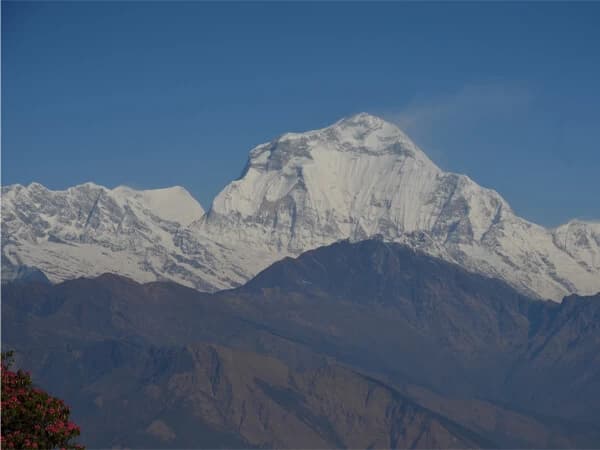
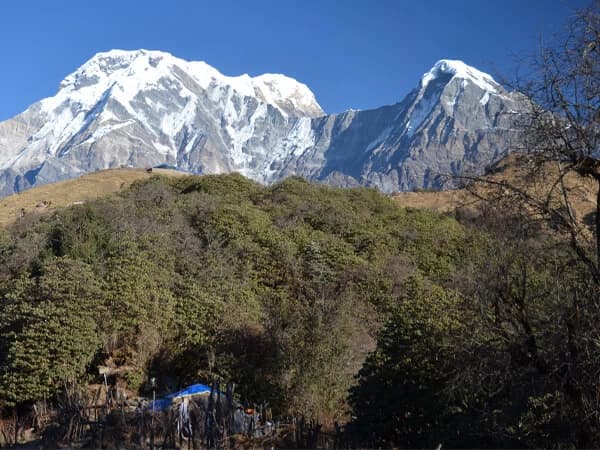
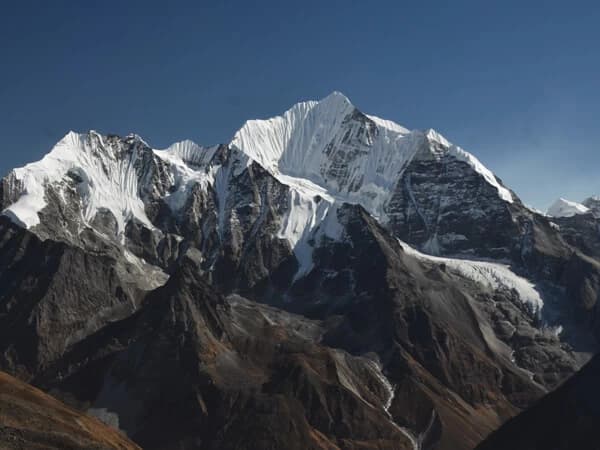
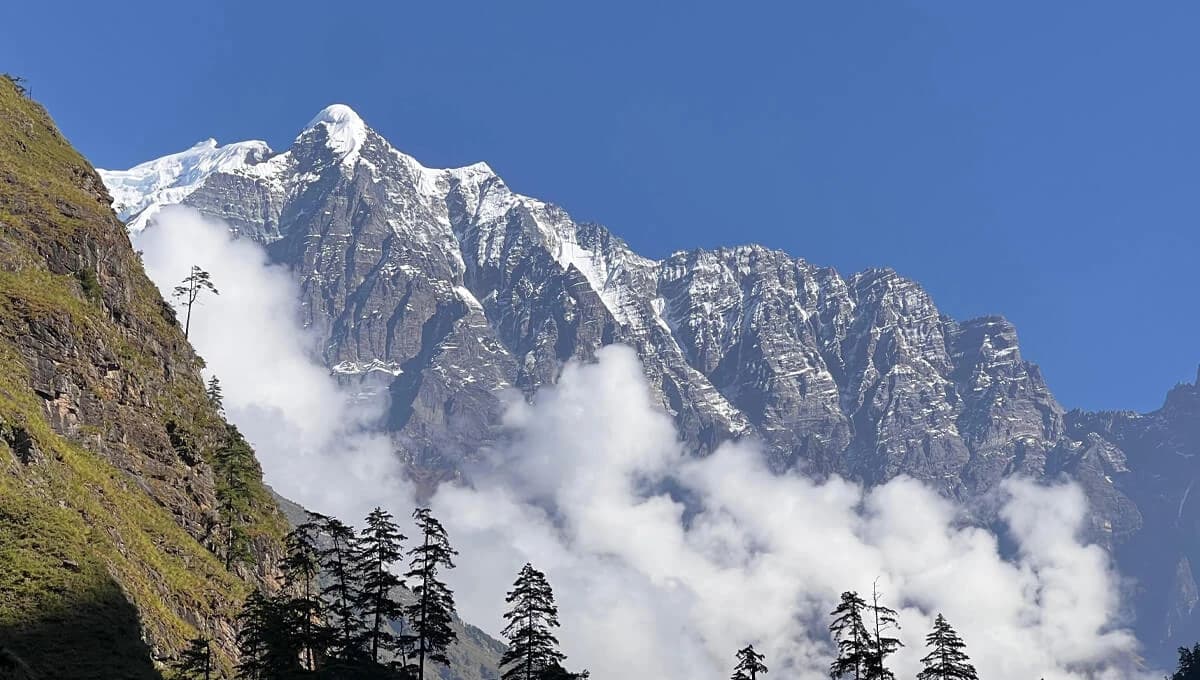
One of the major highlights of the Tsum Valley Trek is spectacular Himalayan scenery — pristine snow-capped peaks, ridgelines, terraced valleys, lush forests, crystal rivers, and alpine meadows. As you climb higher, you can see the huge mountains all around you (especially from places like Mu Gompa or high ridges). You can also see peaceful valley landscapes, prayer-flag fluttering ridges, monasteries, and Tibetan-style villages.
Because of post-monsoon clarity (in autumn) or blooming rhododendrons (in spring), the contrast between vivid valleys and white peaks gives breathtaking photo opportunities.
Altitude Sickness and Prevention
Although the highest common altitude in Tsum Valley treks is around 3,700–3,900 m (e.g. Mu Gompa), altitude sickness remains a concern due to rapid ascent or insufficient acclimatization.
To minimize risk:
-
Go up slowly; don't go up quickly.
-
Add days for getting used to the weather or days for easy walking.
-
Drink a lot of water and stay away from alcohol and heavy exercise at high altitudes.
-
If you start to feel a headache, dizzy, or sick, you should go down or rest.
-
Take it easy and go slowly on the uphill parts.
What to Expect During Tsum Valley Trek
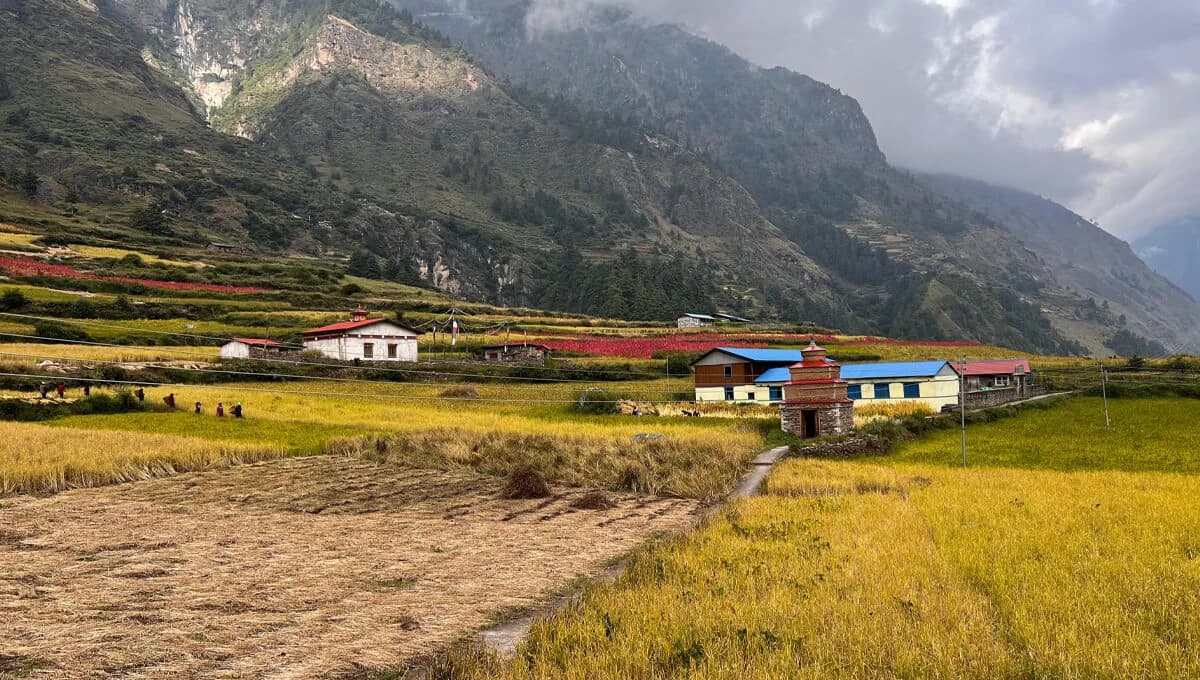
Expect a mix of getting to know the culture and going on mountain adventures. The path goes through quiet valleys, old monasteries, mani walls, prayer flags, and villages that are far away and have a Tibetan influence. You walk through forests of rhododendron and pine, cross rivers, and hike along rough mountain paths until you reach alpine zones with wide views of the mountains.
You will spend the night in teahouses, which are simple but comfortable places with shared rooms and basic amenities, especially in small villages. Most of the time, meals are simple, like Dal Bhat, noodles, soups, and Tibetan-style dishes. This makes for a homey, local experience.
You should expect limited modern comforts: power may be scarce, showers may be cold or limited, and Wi-Fi and mobile service may not work well in remote areas. But that's part of the charm: raw nature, cultural authenticity, and calm.
Why Choose Nepal Excursion for Tsum Valley Trek
Nepal Excursion offers you a full-service, licensed, and trustworthy trekking package:
-
We take care of all the permits you need (RAP, MCAP, TIMS), so you don't have to worry about it.
-
Offer licensed experienced local guides and experienced porters who know the Tsum Valley's culture and terrain well.
-
Plan balanced itineraries with acclimatization days to reduce altitude risks and make the trek enjoyable.
-
Plan meals, places to stay, and logistics (getting to and from the trailhead, teahouses, meals, and rest).
-
Offer cultural insight and local support — guiding through villages, monasteries and matching local customs/regulations.
With Nepal Excursion, you get the comfort of expert support while experiencing one of Nepal’s most remote & authentic treks very enjoyably.
Things You Should Know
-
You can't go trekking alone; you have to go with a guide and at least one other person.
-
In some places, things are basic and far away. You can expect simple teahouses, shared bathrooms, limited electricity and water, and cold nights at higher altitudes.
-
Check the weather and the time of year. Avoid the monsoon season because of the risk of landslides and rain. In the winter, some passes and trails may be covered in snow.
-
Respect local culture:Tsum Valley is culturally sensitive; do not disturb monasteries, avoid photographing people without permission, and follow local norms.
-
Carry sufficient cash — ATMs and banking facilities are unavailable in remote villages.
Is Tsum Valley Trek for Me?
The Tsum Valley Trek is ideal for adventurous trekkers who want an authentic, off-the-beaten-path Himalayan experience. It suits those with moderate fitness who are comfortable walking 5–7 hours a day on uneven terrain and who value cultural immersion as much as mountain views.
This trek is perfect for you if you like going to remote Tibetan-Buddhist villages, exploring monasteries, and walking on quiet trails with few other people.
It’s less suitable for first-time, sedentary travelers unwilling to prepare physically, or anyone who needs full comfort amenities every night — but with reasonable training and an open mind, many determined newcomers will also find it deeply rewarding.
Plan Your Tsum Valley Trek Today
A typical itinerary for the Tsum Valley Trek runs 12–14 days, depending on your pace, acclimatization schedule, and whether you combine with the Manaslu Circuit or not. The route usually starts with a drive from Kathmandu to the trailhead (for example, Arughat, Soti Khola, Dharapani, or Machha Khola). Then, you hike through Budhi Gandaki Valley, enter Tsum Valley, climb to high villages like Mu Gompa, explore cultural villages and monasteries, and then go back down the same or a different route.
Nepal Excursion will manage:
-
Transport to/from trailheads
-
All permits (RAP, MCAP, TIMS)
-
Licensed guide & porter support
-
Meals, lodging, and trekking logistics
-
Safety oversight and local coordination
You just need to pack appropriately, show up, and enjoy the trek.
Highlights
-
Remote, pristine Himalayan landscape — alpine valleys, river gorges, high ridges
-
Unique Tibetan-Buddhist culture: ancient monasteries (gompas), mani walls, prayer flags, traditional villages
-
Spectacular mountain vistas — Manaslu / Ganesh-Himal region peaks, ridge views, valley panoramas
-
Trekking that is less crowded and off the beaten path—peaceful, real, and very beautiful
-
Cultural immersion: meet villagers with traditional lifestyle, engage with local customs and heritage
-
A moderate but rewarding challenge that is physically demanding but doable for prepared hikers.
Why Choose Tsum Valley Trek
Tsum Valley Trek is perfect if you seek a Himalayan journey that’s authentic, remote, culturally rich and visually stunning — without the mass-tourist crowds of major treks. It's perfect for people who like peace, spirituality, nature in its raw form, and deep culture. It has a good mix of adventure and cultural immersion, and it's one of the best places in Nepal to go trekking.
With Nepal Excursion’s careful planning and support, you can enjoy this hidden Himalayan gem safely and comfortably.
Packing List, Gears, and Equipment
-
Essential gear and supplies for Tsum Valley Trek include:
-
Sturdy, waterproof trekking boots (well broken-in)
-
Trekking poles (helpful for steep, rocky trails)
-
Backpack (40–50 L) + daypack
-
Layered clothing: thermal base layers, fleece jacket, down jacket, waterproof shell jacket & pants
-
Trekking pants, moisture-wicking shirts, quick-dry clothes
-
Hat/cap, warm beanie, gloves, sunglasses, sunscreen, lip balm
-
Sleeping bag rated for cold (minimum -5°C to -10°C, depending on season)
-
Water bottles + water purification (tablets/ filter)
-
Headlamp with spare batteries, power bank (electricity limited)
-
First-aid kit, basic personal meds, water-purification tablets
-
Passport, permit copies, ID, passport-size photos (required for permits)
-
Optional: camera, binoculars, trekking sandals, dry-bags/plastic bags for waterproofing.
-
Cash (Nepali Rupees) — remote villages often don’t accept cards and have no ATMs