Explore the Annapurna Panorama Trek with a complete guide covering itinerary, difficulty, cost, weather, and tips—ideal for beginners and short Himalayan trips.
By Gokarna
May 25, 2026

Explore the Annapurna Panorama Trek with a complete guide covering itinerary, difficulty, cost, weather, and tips—ideal for beginners and short Himalayan trips.
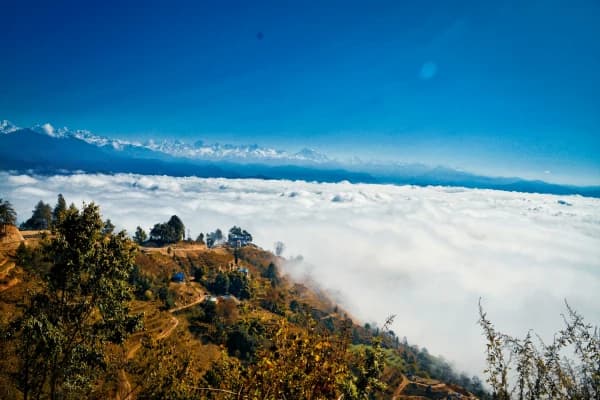
The Annapurna Panorama Trek is one of the easiest and most enjoyable short treks in Nepal. It's great for families, beginners, and anyone who wants to see beautiful mountain views without having to hike for days. The trek starts near the lakeside city of Pokhara and goes through the famous Annapurna region. Most of the trail goes through the Annapurna Conservation Area (ACAP), which is known for its forests, animals, and quiet villages.
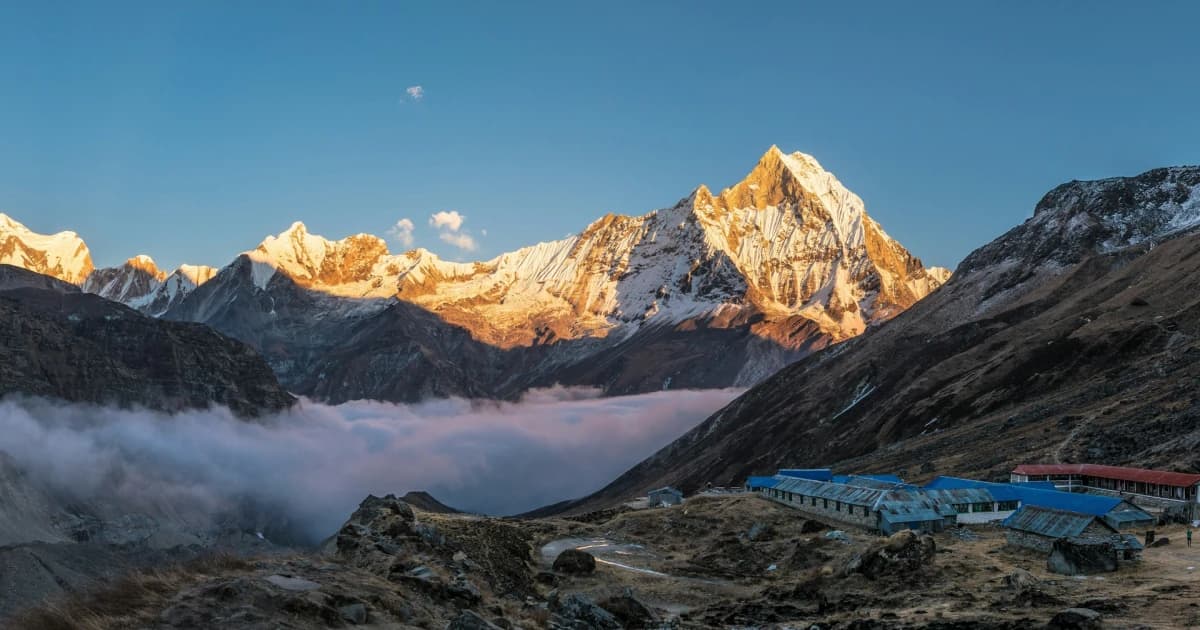
The trek usually goes up to about 3,210 meters, and Poon Hill is the highest and most popular place to see the view. From here, trekkers can watch a magical sunrise over the Himalayas. The glowing peaks of Annapurna, Dhaulagiri, and Machhapuchhre (Fishtail) create one of the best mountain scenes in Nepal. Because the trail is well-marked and full of friendly tea houses, it is often called an easy trekking route in Nepal.
Along the way, you'll see colorful rhododendron forests, stone-paved paths, and traditional villages like Ghorepani and Ghandruk. These places are well-loved for their warm culture, handmade crafts, and simple mountain lifestyle. The trek is also quite comfortable because you stay in cozy tea houses that serve local food and make you feel at home.
The Annapurna Panorama Trek is a great choice for both beginners and experienced hikers who want to see big mountains on a short vacation. It mixes culture, scenery, and easy walking in the best way.
In the following sections, you will learn about the route, difficulty, costs, and tips for planning your trek. For safe and smooth travel, you should consider joining with a trusted local team like Nepal Excursion, who will handle guiding, all the permits, and logistics details.
The Annapurna Panorama Trekis designed for trekkers who want big mountain views in a short amount of time. It is one of the most beautiful and peaceful trails in the Annapurna region, combining nature, culture, and easy hiking.
Below are the major highlights and what you can expect during your journey.
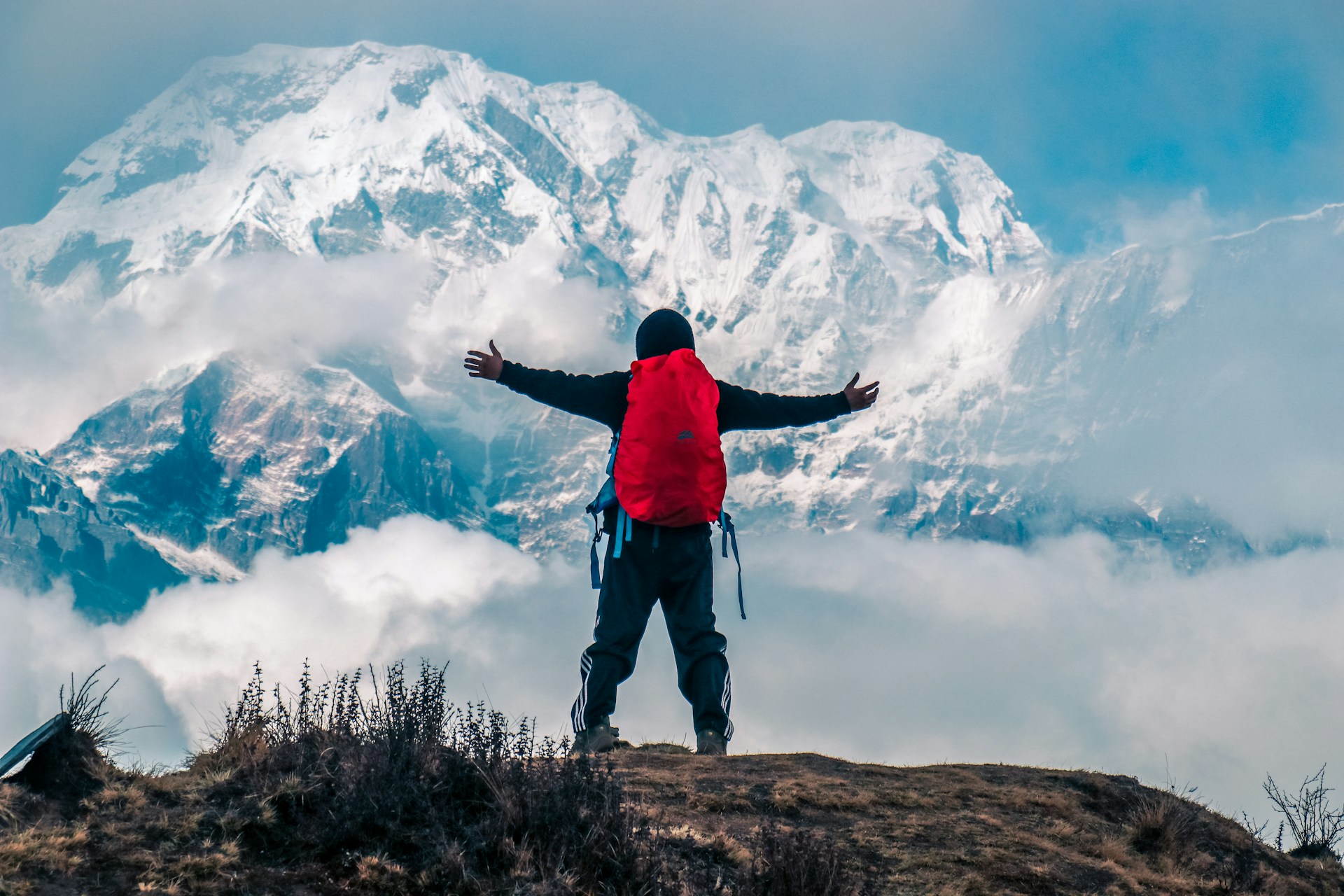
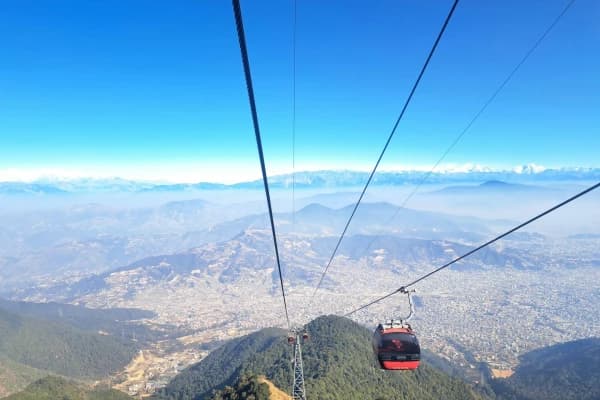
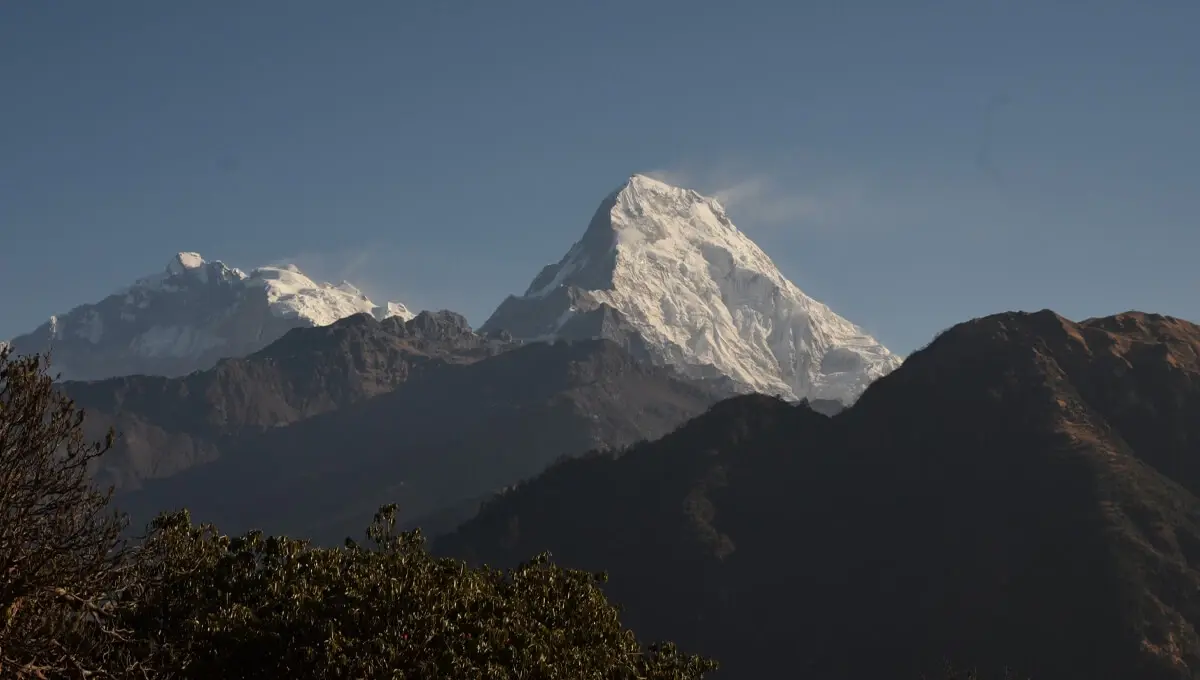
The stunning mountain views are one of the main reasons people choose to do this trek. From the very beginning, you can see peaks like Annapurna South, Hiunchuli, and the famous Machhapuchhre (Fishtail). The view becomes even more impressive as you gain altitude. You can see the Annapurna and Dhaulagiri ranges in all directions from the top of Poon Hill (3,210 m). This is one of the best places in Nepal to see the sunrise
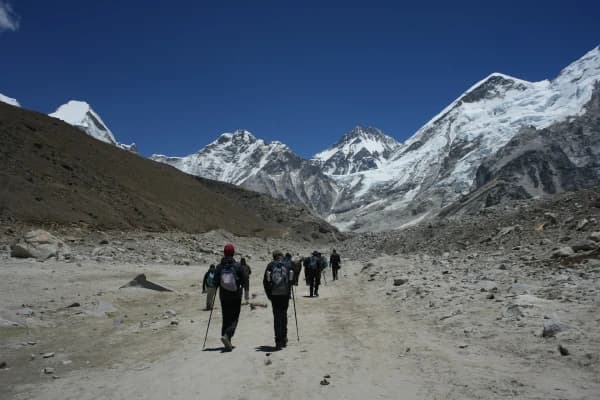
This is a short Annapurna trek, usually completed in 3–5 days. The paths are well-maintained, with stone steps, gentle climbs, and clear signboards. This makes it perfect for families, beginners, and even older hikers. You won't have to deal with very high altitudes as you walk through forests, small villages, and wide open viewpoints.
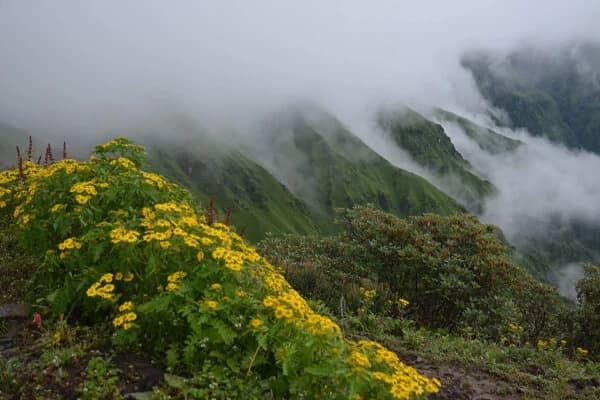
The rhododendron forests are a highlight, especially in the spring when the trees bloom with bright red, pink, and white flowers. The trail feels new and alive with birds, waterfalls, and calm streams.
Villages like Ghorepani and Ghandruk are famous for their warm hospitality. You can expect tea houses that are clean, meals made from scratch, and friendly locals. This is true tea house trekking in Nepal, where each evening you can rest in a comfortable lodge and enjoy a hot meal.
You can learn a lot about how people live in the area while on the trek. Traditional stone houses, cultural museums, and everyday life in the mountains give you a better idea of what Nepali culture is like.
Overall, the Annapurna Panorama Trek is a wonderful blend of natural beauty, soft adventure, and cultural experience. It's perfect for anyone who wants to see the magic of the Himalayas in a short, peaceful trip.
The Annapurna Panorama Trek can be done almost all year, but the experience changes a lot depending on the season. Because the trail is low and easy, the weather is usually mild. However, picking the right season makes your hike more enjoyable, safe, and beautiful.
Here is what to expect in each season.
Spring is one of the most popular times for this trek. The weather is nice, the skies are mostly clear, and the famous rhododendron forests are full of color. The weather is nice:
Day: 15°C to 20°C
Morning/Evening: 5°C to 10°C
Views of the Annapurna and Dhaulagiri ranges are excellent, and wildlife is more active.
After the monsoon rain clears away all the dust, autumn has the clearest skies of the year. This season offers the best sunrise views from Poon Hill.
Day: 12°C to 18°C
Morning/Evening: 2°C to 8°C
This is the best time for stable weather and stunning mountain scenery.
It's cold in the winter, especially in Ghorepani and at higher elevations. But the trail is quiet, and views can be incredibly clear.
Day: 5°C to 12°C
Morning/Evening: -5°C to 0°C
Light snow is possible, but the trek is still doable with warm gear.
This season has a lot of rain, slippery paths, and clouds that can hide the mountains. However, the forest becomes very green, and waterfalls are full.
Day: 18°C to 22°C
Morning/Evening: 12°C to 16°C
This season is best for those who enjoy quiet trails and don’t mind rain, but due to slippery paths and rain, it's best to avoid for safety.
Overall, spring and autumn offer the best mix of clear weather, stable temperatures, and beautiful scenery for the Annapurna Panorama Trek.
The Annapurna Panorama Trekoffers flexible routes, depending on how much time you have and what you want to see. Most trekkers who go trekking start near Pokhara and follow the trail to Ghorepani, Poon Hill, and Ghandruk. This route has the best mix of mountain views, forest paths, and villages with cultural significance.
The most common route choices are listed below.
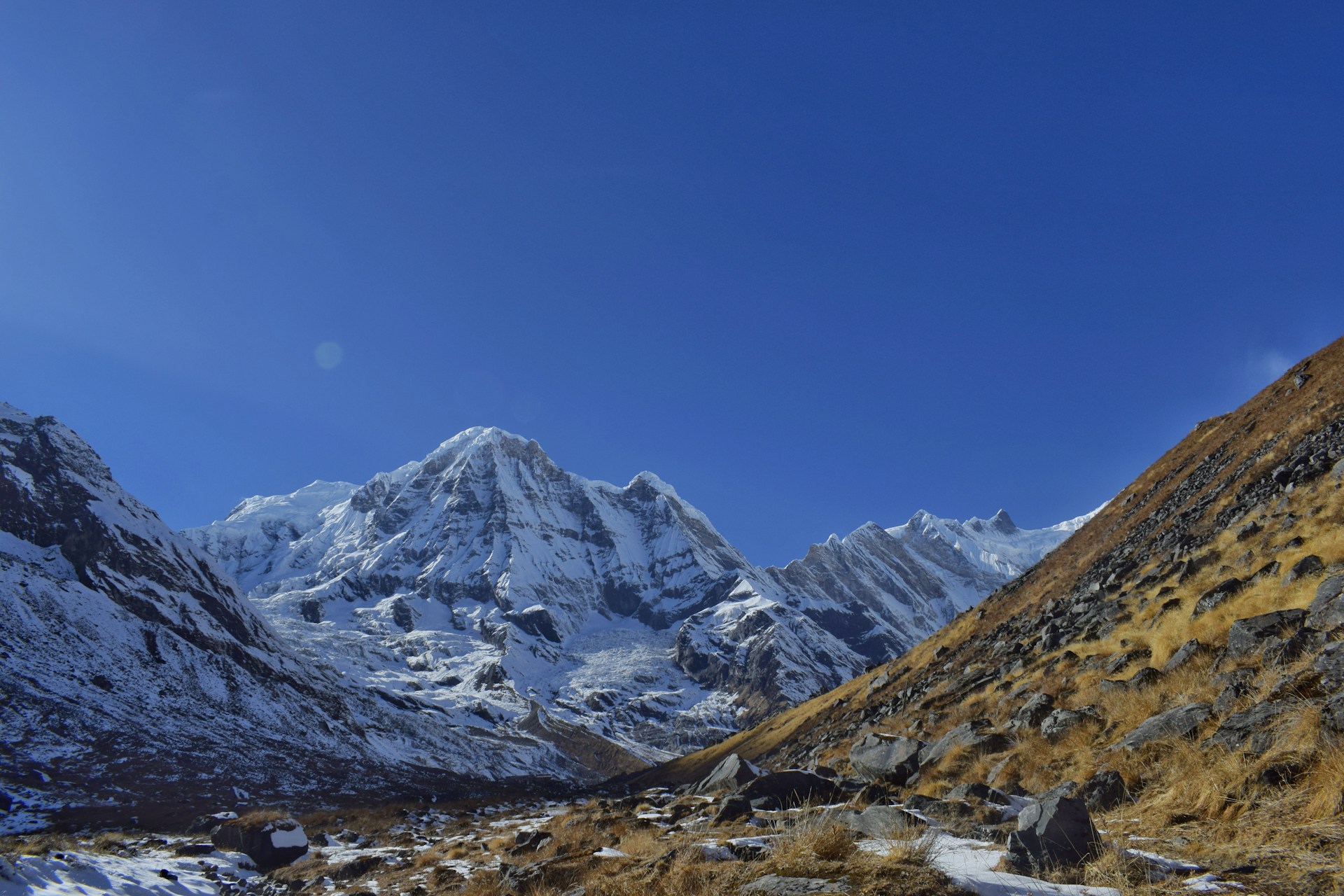
Classic Ghorepani–Poon Hill–Ghandruk Loop:
The most well-known path, great for seeing the sunrise from Poon Hill and stopping in Ghandruk to learn about the culture.
Nayapul to Tadapani Route:
A shorter option that still includes rhododendron forests and wide viewpoints.
Extended Annapurna Panorama Route:
Adds extra nights for families and beginners to rest, explore the village, or walk slowly.
All routes follow clear paths with tea houses along the way, making it easy and comfortable for all trekkers.
Day 1: Arrive in Kathmandu (1,400 m) – Rest and trek briefing
Day 2: Drive or fly to Pokhara (820 m) – Explore lakeside
Day 3: Drive to Nayapul and trek to Tikhedhunga (1,540 m)
Day 4: Trek to Ghorepani (2,860 m) – Forest trails and mountain views
Day 5: Early hike to Poon Hill (3,210 m) for sunrise; trek to Tadapani (2,630 m)
Day 6: Trek to Ghandruk (1,940 m) – Explore Gurung culture and village life
Day 7: Trek to Nayapul and drive back to Pokhara
Day 8: Free day in Pokhara – Optional short hikes or boating
Day 9: Drive back to Kathmandu
Day 10: Explore Kathmandu (heritage sites, local markets)
Day 11: Rest or optional day trips
Day 12: Departure from Kathmandu
This 12-day Annapurna Panorama Trek itinerary lets you enjoy the trek at a relaxed pace while also giving extra time for travel, sightseeing, and rest. It's great for families, beginners, and people who want both adventure and comfort.
To trek in the Annapurna region, every traveler must carry a few important permits. These documents help keep trekkers safe, help the environment, and help local communities. There are checkpoints along the Annapurna Panorama Trek to check permits because it is in protected areas.
Below is an easy guide to what you need and how much they typically cost.
This permit is required for all trekkers entering the Annapurna Conservation Area.
Cost:
USD 30 per person
Where to get it:
Nepal Tourism Board office in Kathmandu or Pokhara
What it covers:
Conservation, trail maintenance, and environmental protection
The TIMS card helps keep track of trekkers for safety and rescue support.
Cost:
USD 20 per person (organized trekking)
Where to get it:
Nepal Tourism Board office or through your trekking agency
Why it’s needed:
For trekker registration, safety monitoring, and emergency use
The total Annapurna Panorama Trek cost varies based on season, group size, and comfort level. Here is a simple estimate:
Permits (ACAP + TIMS): USD 50
Guide per day: USD 25–30
Porter per day: USD 20–25
Tea house accommodation: USD 5–10 per night
Meals: USD 20–30 per day
Transportation (Kathmandu–Pokhara): USD 10–30 by bus, USD 120–140 by flight
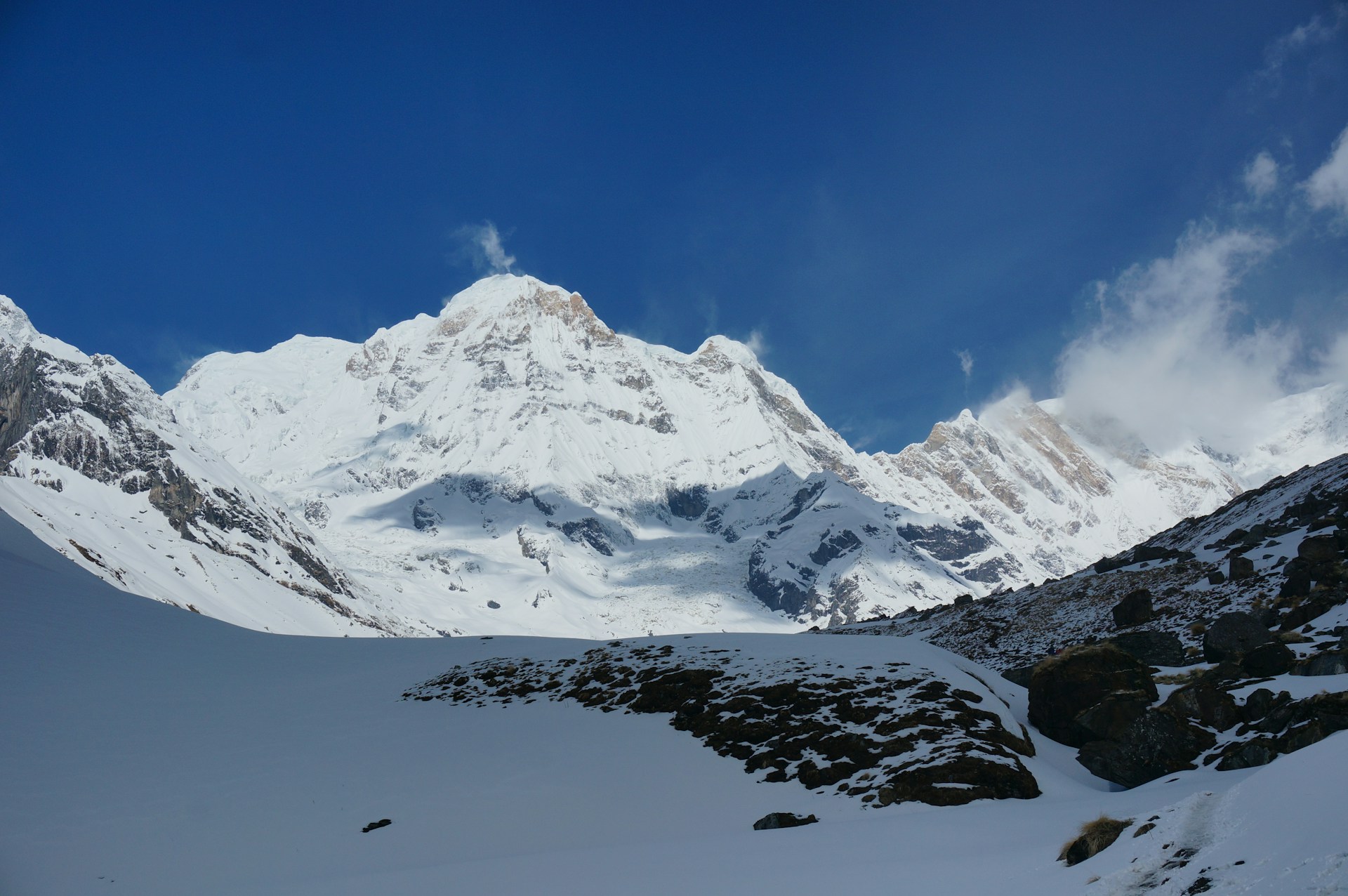
The Annapurna Panorama Trek is considered one of the easier and shorter trekking routes in Nepal, but good preparation still makes your journey safer, smoother, and more enjoyable. The trail doesn't go up to very high places, but you will have to climb a lot of stone steps, walk through forest trails, and climb to high places like Poon Hill (3,210 m). Almost anyone can comfortably finish this trek if they have the right fitness, gear, and attitude.
You do not need to be a professional athlete, but being active helps a lot.
Walk or hike for 1–2 hours a few times a week
Practice walking up and down hills
Do some light strength training for your legs and core.
Jogging or biking can help you build up your stamina.
These small steps prepare your body for walking 5–7 hours a day on the trail.
Since the trek uses tea-house accommodation, you do not need heavy camping gear. Focus on comfort, warmth, and layering.
Trekking boots with good grip
Lightweight hiking pants and moisture-wicking shirts
Warm jacket (down or synthetic)
Fleece layer for evenings
Rain jacket or poncho
Trekking poles for steep sections
Sun hat, warm hat, and gloves
Small backpack (25–35L)
Water bottle or hydration system
The weather can change quickly, especially around Ghorepani, so having proper layers keeps you safe and warm.
Headlamp
Power bank
Reusable water purification tablets
Basic first-aid kit
Comfortable socks
Stay hydrated, walk at your own pace, and take short breaks when needed. Even though it is an easy trekking route in Nepal, being prepared makes the walk more enjoyable.
The Annapurna Panorama Trek is a tea-house trek, which means you stay in simple mountain lodges run by local families. These tea houses have clean rooms, warm meals, and a friendly atmosphere, which makes the trip easy for even the most inexperienced trekkers.
Most rooms are basic but cozy.
Twin-sharing rooms with wooden beds
Clean mattresses, pillows, and blankets
Many villages have bathrooms that everyone can use.
For a small extra fee, you can take a hot shower.
Dining rooms with a stove to keep you warm
Places like Ghorepani, Tadapani, and Ghandruk have slightly better lodges, while smaller villages offer simpler rooms.
Tea houses serve warm, fresh meals every day. Menus are simple but filling. Typical meals include:
Dal Bhat (rice, lentils, vegetables)
Noodles, soups, fried rice
Tibetan bread, pancakes, porridge
Tea, coffee, and hot lemon
Dal Bhat is the most popular choice because it gives you energy that lasts a long time and is always made fresh. Most villages have snacks like chocolate bars and cookies, but prices go up as you go higher.
Always drink purified or boiled water
Carry water purification tablets or a filter
Avoid tap water
Bring a reusable bottle to reduce plastic waste
You can only get cash from ATMs in Pokhara, so make sure you have enough.
Charging electronics costs extra at higher villages
There are many places where mobile networks work, but they can be weak.
Some lodges offer Wi-Fi for a small fee
Pack light and use layers for changing weather
Start early each morning for clearer mountain views
Respect local customs and village life
Walk slowly and enjoy the scenery
The Annapurna Panorama Trekis a wonderful way to experience the Himalayas, but having the right guidance makes the journey safer, smoother, and more enjoyable.
Nepal Excursion is a trusted local agency that makes sure that every part of your trek is handled professionally.
Experienced Guides: Our experienced guides are familiar with the Ghorepani–Poon Hill–Ghandruk trail, the forest paths, and local villages. They provide valuable tips on hiking, altitude safety, and mountain photography.
Permit and Logistics Support:Nepal Excursion handles all necessary permits, including the Annapurna Conservation Area (ACAP) permit and TIMS card, along with transportation, accommodation, and meal arrangements. This saves time and reduces stress, allowing trekkers to focus on the adventure.
Comfort and Safety: Our team makes sure everyone is comfortable and safe during the trek by coordinating tea-house stays and bringing important supplies. We also keep an eye on the weather and help with schedules for getting used to the new environment.
Local Expertise: Guides provide insights into Nepali culture, local customs, and village life, enhancing your experience of the Annapurna region beyond just the scenery.
Flexible Itineraries: Whether you prefer a relaxed pace, family-friendly trek, or photography-focused journey, Nepal Excursion customizes itineraries to match your needs.
Choosing Nepal Excursion guarantees a professional, safe, and memorable Annapurna Panorama Trek, allowing you to enjoy panoramic Himalayan views, serene forest trails, and the warmth of local hospitality with confidence.
The Annapurna Panorama Trek is one of the best short treks in Nepal for travelers who want big mountain views without long or difficult days of hiking. The trail is easy to follow, the tea houses are nice, and the views are beautiful the whole way.
Every day has something special to offer, from the warm forests full of rhododendron trees to the famous views at Poon Hill and Ghandruk. This path is great for beginners, families, and people who don't have a lot of time because trekkers can get up close and personal with Annapurna South, Machhapuchhre, and many other peaks.
The trek is safer and more relaxing than many other Himalayan routes because it stays at lower elevations. You still get a real feel for what it's like to live in a Nepali village, in the mountains, and in a peaceful natural setting.
Plan your Annapurna Panorama Trek today, a simple, scenic, and unforgettable trip — an ideal introduction to hiking in Nepal and the beauty of the Himalayas.